



 Theme - Default
October 2025
Tuesday, 28 October 2025 00:00
Exercising a Broken Toe That Has Healed
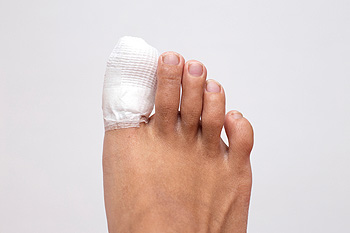
Dropping a heavy object on your toe, or stubbing it against a piece of furniture, are common reasons to experience a broken toe. Pain is generally the first symptom that is noticed, and it can be difficult to walk. Additionally, many patients notice their toe is swollen and bruised, and it is often painful to wear shoes. The affected foot may feel better when it is elevated, and this can help to diminish a portion of the swelling. As the healing process occurs, it may be beneficial to perform stretches and exercises that can promote rebuilding and strength. Toe curls can be effective in strengthening the toes, in addition to the overall foot. This is done by curling the toes, followed by stretching them back as far as possible. Many patients choose to pick up a towel from the floor with their toes, which can help to strengthen the top of the foot. If you would like to know how to perform additional exercise after a broken toe has healed, please consult with a podiatrist.
Broken toes may cause a lot of pain and should be treated as soon as possible. If you have any concerns about your feet, contact Brian D. Jackson, DPM from Neuhaus Foot and Ankle. Our doctor will treat your foot and ankle needs.
What Is a Broken Toe?
A broken toe occurs when one or more of the toe bones of the foot are broken after an injury. Injuries such as stubbing your toe or dropping a heavy object on it may cause a toe fracture.
Symptoms of a Broken Toe
- Swelling
- Pain (with/without wearing shoes)
- Stiffness
- Nail Injury
Although the injured toe should be monitored daily, it is especially important to have a podiatrist look at your toe if you have severe symptoms. Some of these symptoms include worsening or new pain that is not relieved with medication, sores, redness, or open wounds near the toe.
If you have any questions please feel free to contact one of our offices located in Columbia and Pulaski, TN . We offer the newest diagnostic tools and technology to treat your foot and ankle needs.
Tuesday, 21 October 2025 00:00
The Impact of High Heels on Foot Health

Wearing high heels places the feet in an unnatural position that forces extra pressure on the forefoot and alters balance. This design pushes the toes together, leading to common conditions such as hammertoe, bunions, and corns. Over time, the unnatural alignment can also strain ligaments and joints, causing pain and difficulty walking comfortably. These issues can become progressive if not addressed early. A podiatrist can evaluate foot structure, provide custom orthotics, recommend footwear modifications, and offer treatments to relieve pain and prevent long-term damage. If you experience foot pain from wearing high heels, it is recommended that you consult a podiatrist who can diagnose and treat various foot conditions and provide guidance on more suitable shoes for better foot health.
High heels have a history of causing foot and ankle problems. If you have any concerns about your feet or ankles, contact Brian D. Jackson, DPM from Neuhaus Foot and Ankle. Our doctor can provide the care you need to keep you pain-free and on your feet.
Effects of High Heels on the Feet
High heels are popular shoes among women because of their many styles and societal appeal. Despite this, high heels can still cause many health problems if worn too frequently.
Which Parts of My Body Will Be Affected by High Heels?
- Ankle Joints
- Achilles Tendon – May shorten and stiffen with prolonged wear
- Balls of the Feet
- Knees – Heels cause the knees to bend constantly, creating stress on them
- Back – They decrease the spine’s ability to absorb shock, which may lead to back pain. The vertebrae of the lower back may compress.
What Kinds of Foot Problems Can Develop from Wearing High Heels?
- Corns
- Calluses
- Hammertoe
- Bunions
- Morton’s Neuroma
- Plantar Fasciitis
How Can I Still Wear High Heels and Maintain Foot Health?
If you want to wear high heeled shoes, make sure that you are not wearing them every day, as this will help prevent long term physical problems. Try wearing thicker heels as opposed to stilettos to distribute weight more evenly across the feet. Always make sure you are wearing the proper shoes for the right occasion, such as sneakers for exercising. If you walk to work, try carrying your heels with you and changing into them once you arrive at work. Adding inserts to your heels can help cushion your feet and absorb shock. Full foot inserts or metatarsal pads are available.
If you have any questions, please feel free to contact one of our offices located in Columbia and Pulaski, TN . We offer the newest diagnostic and treatment technologies for all your foot care needs.
Tuesday, 14 October 2025 00:00
How Rheumatoid Arthritis Can Impact Your Toes

Rheumatoid arthritis is an autoimmune condition that can cause inflammation in the small joints of the toes, leading to pain, stiffness, swelling, and deformity. It occurs when the immune system mistakenly attacks the lining of the joints, resulting in joint damage over time. In the toes, this may feel like a deep aching pain, often worse in the morning or after periods of rest. The toes may appear swollen, red, and may develop visible deformities, such as hammertoes or bunions. Walking can become painful, and wearing shoes may be difficult due to pressure on the joints. A podiatrist can assist with diagnosis through a clinical evaluation, medical history, and lab tests or imaging. Treatment may include custom orthotics, footwear modifications, and anti-inflammatory medications. In advanced cases, surgery may be considered. To manage symptoms and preserve mobility, it is suggested that you make an appointment with a podiatrist.
Because RA affects more than just your joints, including the joints in your feet and ankles, it is important to seek early diagnosis from your podiatrist if you feel like the pain in your feet might be caused by RA. For more information, contact Brian D. Jackson, DPM of Neuhaus Foot and Ankle. Our doctor will assist you with all of your podiatric concerns.
What Is Rheumatoid Arthritis?
Rheumatoid Arthritis (RA) is an autoimmune disorder in which the body’s own immune system attacks the membranes surrounding the joints. Inflammation of the lining and eventually the destruction of the joint’s cartilage and bone occur, causing severe pain and immobility.
Rheumatoid Arthritis of the Feet
Although RA usually attacks multiple bones and joints throughout the entire body, almost 90 percent of cases result in pain in the foot or ankle area.
Symptoms
- Swelling and pain in the feet
- Stiffness in the feet
- Pain on the ball or sole of feet
- Joint shift and deformation
Diagnosis
Quick diagnosis of RA in the feet is important so that the podiatrist can treat the area effectively. Your doctor will ask you about your medical history, occupation, and lifestyle to determine the origin of the condition. Rheumatoid Factor tests help to determine if someone is affected by the disease.
If you have any questions, please feel free to contact one of our offices located in Columbia and Pulaski, TN . We offer the newest diagnostic and treatment technologies for all your foot care needs.
Tuesday, 07 October 2025 00:00
Regaining Strength After Foot and Ankle Injuries

Exercises play an important role in restoring strength, flexibility, and balance after a foot or ankle injury. Toe raises are done by lifting onto the balls of the feet. This strengthens the calf muscles and supports ankle stability, which reduces the risk of reinjury. Towel scrunches involve using the toes to scrunch up a towel on the floor, which improves strength in the small muscles of the foot and enhances arch support and overall control. Ankle circles are done by slowly moving the ankle in circular motions, and helps to restore range of motion and reduces stiffness following periods of immobilization. These exercises not only rebuild strength but also improve balance and coordination, making daily activities and athletic movements safer and more comfortable. If you are recovering from a foot or ankle injury, it is suggested that you seek guidance from a podiatrist, which may include suggestions for exercises regarding your specific condition.
Ankle pain can have many different causes and the pain may potentially be serious. If you have ankle pain, consult with Brian D. Jackson, DPM from Neuhaus Foot and Ankle. Our doctor will assess your condition and provide you with quality foot and ankle treatment.
Ankle pain is any condition that causes pain in the ankle. Due to the fact that the ankle consists of tendons, muscles, bones, and ligaments, ankle pain can come from a number of different conditions.
Causes
The most common causes of ankle pain include:
- Types of arthritis (rheumatoid, osteoarthritis, and gout)
- Ankle sprains
- Broken ankles
- Achilles tendinitis
- Achilles tendon rupture
- Stress fractures
- Tarsal tunnel syndrome
- Plantar fasciitis
Symptoms
Symptoms of ankle injury vary based upon the condition. Pain may include general pain and discomfort, swelling, aching, redness, bruising, burning or stabbing sensations, and/or loss of sensation.
Diagnosis
Due to the wide variety of potential causes of ankle pain, podiatrists will utilize a number of different methods to properly diagnose ankle pain. This can include asking for personal and family medical histories and of any recent injuries. Further diagnosis may include sensation tests, a physical examination, and potentially x-rays or other imaging tests.
Treatment
Just as the range of causes varies widely, so do treatments. Some more common treatments are rest, ice packs, keeping pressure off the foot, orthotics and braces, medication for inflammation and pain, and surgery.
If you have any questions please feel free to contact one of our offices located in Columbia and Pulaski, TN . We offer the newest diagnostic tools and technology to treat your foot and ankle needs.
Friday, 03 October 2025 00:00
Arthritis Can Cause Pain in the Feet and Ankles
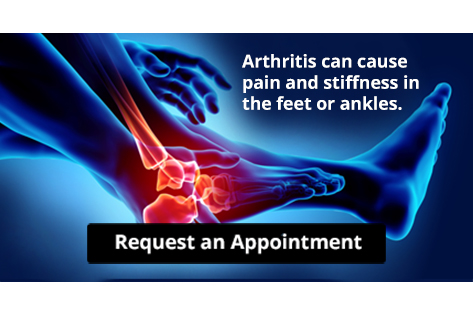
If you are suffering from tenderness, pain, or stiffness in the joints of your feet or ankles, call us to schedule an appointment.