



 Theme - Default
August 2025
Tuesday, 26 August 2025 00:00
Causes of Toe Joint Pain

Toe joint pain often affects the big toe, which absorbs much of the body’s weight when walking. This discomfort can stem from a variety of causes. Gout is one of the most common, resulting from a buildup of uric acid crystals in the joint that leads to sudden pain. Structural problems like hammertoes, mallet toes, and claw toes can also strain toe joints, causing inflammation and stiffness over time. A bunion, which forms when the big toe pushes inward toward the others, creates pressure and misalignment that may result in toe joint pain. A form of arthritis in the big toe, called hallux rigidus, leads to stiffness and difficulty in bending the joint. Toe joint pain may also result from turf toe, which involves stretched ligaments due to the toe bending too far back. If you are experiencing pain in toe joints, it is suggested that you schedule an appointment with a podiatrist for an exam, diagnosis and appropriate treatment.
Toe pain can disrupt your daily activities. If you have any concerns, contact Brian D. Jackson, DPM of Neuhaus Foot and Ankle. Our doctor can provide the care you need to keep you pain-free and on your feet.
What Causes Toe Pain?
Most severe toe pain is caused due to a sports injury, trauma from dropping something heavy on the toe, or bumping into something rigid. Other problems can develop over time for various reasons.
Toe pain can be caused by one or more ailments. The most common include:
- Trauma
- Sports injury
- Wearing shoes that are too tight
- Arthritis
- Gout
- Corns and calluses
- Hammertoe
- Bunions
- Blisters
- Ingrown toenails
- Sprains
- Fractures (broken bones)
- Dislocations
When to See a Podiatrist
- Severe pain
- Persistent pain that lasts more than a week
- Signs of infection
- Continued swelling
- Pain that prevents walking
Diagnosis
In many cases the cause of toe pain is obvious, but in others, a podiatrist may want to use more advanced methods to determine the problem. These can range from simple visual inspections and sensation tests to X-rays and MRI scans. Prior medical history, family medical history, and any recent physical traumatic events will all be taken into consideration for a proper diagnosis.
Treatment
Treatments for toe pain and injuries vary and may include shoe inserts, padding, taping, medicines, injections, and in some cases, surgery. If you believe that you have broken a toe, please see a podiatrist as soon as possible.
If you have any questions please contact one of our offices located in Columbia and Pulaski, TN . We offer the newest diagnostic and treatment technologies for all your foot and ankle needs.
Tuesday, 19 August 2025 00:00
Choosing the Right Shoes for Children’s Healthy Feet

Children’s shoes play a vital role in supporting proper foot growth and development. The right footwear varies by age, with infants needing soft, flexible shoes for early walking and older children requiring supportive, well-fitted shoes for school and play. Types of shoes include sneakers for daily wear, sandals for warm weather, and sport-specific footwear for athletic activities. Poorly fitting shoes can lead to discomfort, blisters, or long-term foot problems. A podiatrist can assess a child’s foot structure, recommend the best shoe type, and address any concerns about gait or development. For healthy, active feet, it is suggested that you schedule a visit with a podiatrist who can answer any questions you may have, and guide you toward the correct shoes to buy for your child.
Making sure that your children maintain good foot health is very important as they grow. If you have any questions, contact Brian D. Jackson, DPM of Neuhaus Foot and Ankle. Our doctor can provide the care you need to keep you pain-free and on your feet.
Keeping Children's Feet Healthy
Having healthy feet during childhood can help prevent medical problems later in life, namely in the back and legs. As children grow, their feet require different types of care. Here are some things to consider...
Although babies do not walk yet, it is still very important to take care of their feet.
Avoid putting tight shoes or socks on his or her feet.
Allow the baby to stretch and kick his or her feet to feel comfortable.
As a toddler, kids are now on the move and begin to develop differently. At this age, toddlers are getting a feel for walking, so don’t be alarmed if your toddler is unsteady or ‘walks funny’.
As your child gets older, it is important to teach them how to take care of their feet.
Show them proper hygiene to prevent infections such as fungus.
Be watchful for any pain or injury.
Have all injuries checked by a doctor as soon as possible.
Comfortable, protective shoes should always be worn, especially at play.
If you have any questions, please feel free to contact one of our offices located in Columbia and Pulaski, TN . We offer the newest diagnostic and treatment technologies for all your foot care needs.
Tuesday, 12 August 2025 00:00
Diabetes and Foot Health

Diabetes is a chronic condition that affects how the body regulates blood sugar, which can impact circulation and nerve function in the feet. Poor circulation and neuropathy, both side effects of diabetes, increase the risk of wounds, infections, and slow healing. Proper foot care is essential to prevent complications. This includes washing and thoroughly drying the feet, trimming toenails straight across, wearing protective footwear, and keeping the feet covered to avoid injuries. A podiatrist plays a vital role in diabetic foot care by monitoring for early signs of problems, treating wounds, and providing preventive guidance. If you have diabetes that is affecting your feet, it is strongly suggested that you are under the care of a podiatrist who can help you to monitor this serious condition.
Diabetic foot care is important in preventing foot ailments such as ulcers. If you are suffering from diabetes or have any other concerns about your feet, contact Brian D. Jackson, DPM from Neuhaus Foot and Ankle. Our doctor can provide the care you need to keep you pain-free and on your feet.
Diabetic Foot Care
Diabetes affects millions of people every year. The condition can damage blood vessels in many parts of the body, especially the feet. Because of this, taking care of your feet is essential if you have diabetes, and having a podiatrist help monitor your foot health is highly recommended.
The Importance of Caring for Your Feet
- Routinely inspect your feet for bruises or sores.
- Wear socks that fit your feet comfortably.
- Wear comfortable shoes that provide adequate support.
Patients with diabetes should have their doctor monitor their blood levels, as blood sugar levels play such a huge role in diabetic care. Monitoring these levels on a regular basis is highly advised.
It is always best to inform your healthcare professional of any concerns you may have regarding your feet, especially for diabetic patients. Early treatment and routine foot examinations are keys to maintaining proper health, especially because severe complications can arise if proper treatment is not applied.
If you have any questions, please feel free to contact one of our offices located in Columbia and Pulaski, TN . We offer the newest diagnostic and treatment technologies for all your foot care needs.
Tuesday, 05 August 2025 00:00
What Every Active Child and Parent Should Know About Sever’s Disease

Sever’s disease is an inflammation of the growth plate in the heel, common in physically active children and adolescents. It occurs due to repetitive stress and strain on the heel bone during growth spurts. Risk factors include participation in running or jumping sports, tight calf muscles, and wearing improper footwear. This condition typically affects children between 8 and 14 years old. Symptoms include heel pain, swelling, and difficulty walking or running. A podiatrist can diagnose Sever’s disease, recommend stretching exercises, supportive footwear, activity modifications, and other things to reduce pain and promote healing. If your active child complains of persistent heel pain, it is suggested that you promptly consult a podiatrist who can offer effective relief tips, ensuring a healthy return to activity.
Sever's disease often occurs in children and teens. If your child is experiencing foot or ankle pain, see Brian D. Jackson, DPM from Neuhaus Foot and Ankle. Our doctor can treat your child’s foot and ankle needs.
Sever’s Disease
Sever’s disease is also known as calcaneal apophysitis, which is a medical condition that causes heel pain I none or both feet. The disease is known to affect children between the ages of 8 and 14.
Sever’s disease occurs when part of the child’s heel known as the growth plate (calcaneal epiphysis) is attached to the Achilles tendon. This area can suffer injury when the muscles and tendons of the growing foot do not keep pace with bone growth. Therefore, the constant pain which one experiences at the back of the heel will make the child unable to put any weight on the heel. The child is then forced to walk on their toes.
Symptoms
Acute pain – Pain associated with Sever’s disease is usually felt in the heel when the child engages in physical activity such as walking, jumping and or running.
Highly active – Children who are very active are among the most susceptible in experiencing Sever’s disease, because of the stress and tension placed on their feet.
If you have any questions, please feel free to contact one of our offices located in Columbia and Pulaski, TN . We offer the newest diagnostic and treatment technologies for all your foot care needs.
Sunday, 03 August 2025 00:00
Are Bunions Affecting Your Everyday Life?
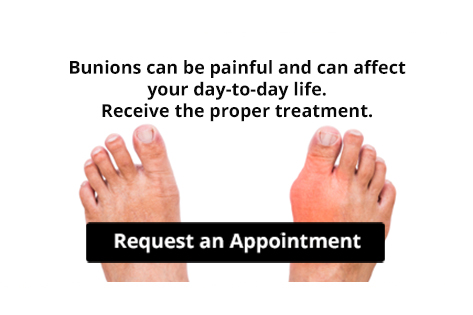
Have you noticed a bony protrusion on the side of your big toe? If so, you may have developed the foot condition known as a bunion. Don't let bunions interfere with your daily activities.