



 Theme - Default
Tuesday, 04 April 2023 00:00
Swollen Feet Is a Normal Part of Pregnancy

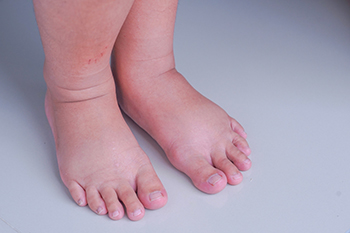
Having swollen feet and ankles is a normal condition many pregnant women experience. It is generally temporary, despite the discomfort it can bring. One of the changes the body undergoes consists of retaining fluids, which often collect in the lower extremities. The developing fetus causes the blood to become thicker, providing the necessary nutrients during this time. It is helpful to avoid standing for prolonged periods, and walking can help to improve circulation. If the swelling is severe, compression stockings may be worn that can help to move the fluids away from the ankles. Additionally, the swelling may be reduced when sodium intake is limited, and cool environments are preferred, keeping the body temperature comfortable. If you would like more information about how pregnancy affects the feet, it is suggested that you consult with a podiatrist who can address any concerns you may have.
Pregnant women with swollen feet can be treated with a variety of different methods that are readily available. For more information about other cures for swollen feet during pregnancy, consult with Brian D. Jackson, DPM from Neuhaus Foot and Ankle. Our doctor will attend to all of your foot and ankle needs.
What Foot Problems Can Arise During Pregnancy?
One problem that can occur is overpronation, which occurs when the arch of the foot flattens and tends to roll inward. This can cause pain and discomfort in your heels while you’re walking or even just standing up, trying to support your baby.
Another problem is edema, or swelling in the extremities. This often affects the feet during pregnancy but tends to occur in the later stages.
How Can I Keep My Feet Healthy During Pregnancy?
- Wearing orthotics can provide extra support for the feet and help distribute weight evenly
- Minimize the amount of time spent walking barefoot
- Wear shoes with good arch support
- Wear shoes that allow for good circulation to the feet
- Elevate feet if you experience swelling
- Massage your feet
- Get regular, light exercise, such as walking, to promote blood circulation to the feet
If you have any questions, please feel free to contact one of our offices located in Columbia and Pulaski, TN . We offer the newest diagnostic and treatment technologies for all your foot care needs.
Published in Blog
Tagged under
Tuesday, 04 April 2023 00:00
Foot Care for Pregnant Women
The natural weight that pregnant women gain causes their center of gravity to be completely altered. This causes them to have a new weight-bearing stance which adds pressure to the knees and feet. As a result, pregnant women often experience severe foot pain. The two most common foot issues experienced by women in their pregnancies are edema and over-pronation. It is important for all pregnant women to learn more about how to take care of their feet so they are more comfortable during their pregnancy.
Over-pronation, which is commonly referred to as flat feet, is caused when a person’s arch flattens out upon weight bearing. This causes the person’s feet to roll inward while walking. Pregnant women often experience this due to the sudden weight they gain.
Edema, also referred as swelling in the feet, typically occurs in the later part of the pregnancy. It is the result of the extra blood accumulated in the pregnant woman’s body. The enlarged uterus puts more pressure on the blood vessels in the pelvis which causes leg circulation to slow down. This causes blood to pool in the lower extremities.
Fortunately, there are ways to treat both edema and over-pronation. Edema can be treated by elevating the foot as often as possible. Wearing proper fitting footwear will also be helpful for those with edema. A treatment method for over-pronation could be orthotics. Orthotic inserts should be designed with appropriate arch support and medial rear foot for your foot.
It is best for pregnant women to buy new shoes during the day, because this is the time where swelling is at its peak. Pregnant women also shouldn’t rush when buying shoes. It is always advised that you make sure your shoes fit properly but this is especially important during pregnancy.
If you are a pregnant woman, you should consult with a podiatrist in order to make sure your feet are healthy throughout the entirety of your pregnancy.
Published in Featured
Tagged under
Tuesday, 28 March 2023 00:00
Effective Methods for Foot Care

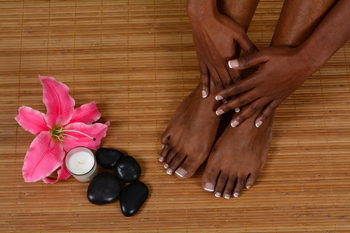
The feet are complex and have 26 bones connected to several ligaments, tendons, and muscles. Studies have shown the average person will walk twice the distance around the earth in their lifetimes, and this can wreak havoc on the feet. It is beneficial to maintain an everyday foot care routine, which can help the feet to feel and look their best. The feet are often taken for granted, and potential foot conditions may be avoided when inspected and pampered. A good routine can begin with washing and drying the feet thoroughly, followed by applying a good moisturizer. This helps replace lost moisture that can come from wearing shoes that have an open back. It is important to choose shoes that fit correctly. This can be done at the end of the day when the feet are their largest. Toenails are trimmed properly when they are cut straight across instead of in a curved fashion. Stretching the feet can feel good, and research has shown that walking is the best exercise for the feet. If you would like additional tips on how to practice everyday foot care, it is suggested that you ask a podiatrist who can provide you with the information you are seeking.
Everyday foot care is very important to prevent infection and other foot ailments. If you need your feet checked, contact Brian D. Jackson, DPM from Neuhaus Foot and Ankle. Our doctor can provide the care you need to keep you pain-free and on your feet.
Everyday Foot Care
Often, people take care of their bodies, face and hair more so than they do for their feet. But the feet are a very important aspect of our bodies, and one that we should pay more attention to. Without our feet, we would not be able to perform most daily tasks.
It is best to check your feet regularly to make sure there are no new bruises or cuts that you may not have noticed before. For dry feet, moisturizer can easily be a remedy and can be applied as often as necessary to the affected areas. Wearing shoes that fit well can also help you maintain good foot health, as well as making it easier to walk and do daily activities without the stress or pain of ill-fitting shoes, high heels, or even flip flops. Wearing clean socks with closed shoes is important to ensure that sweat and bacteria do not accumulate within the shoe. Clean socks help to prevent Athlete’s foot, fungi problems, bad odors, and can absorb sweat.
If you have any questions, please feel free to contact one of our offices located in Columbia and Pulaski, TN . We offer the newest diagnostic and treatment technologies for all your foot care needs.
Published in Blog
Tagged under
Tuesday, 28 March 2023 00:00
Every Day Foot Care
Our feet are important in our everyday lives. The problem is that we tend to neglect them. When this becomes a habit, it can cause significant trouble. Ignoring foot problems can mean pain, limited mobility, and expensive doctor's visits. On the other hand, if feet are cared for and looked after regularly, they will perform without pain or complication.
Routine hygiene is the most basic way to care for the feet. Wash and dry them thoroughly daily. Remember to get between the toes and keep the toenails trimmed and short. If the feet feel dry or there are signs of dryness or cracking, use a moisturizer designed for the feet.
When using moisturizer on the feet, try to avoid applying between the toes. If cream or lotion sits too long, they can cause fungal and bacterial growth. When moisturizer is used between the toes, it can also cause the skin to soften too much.
Shoes are also an important aspect of foot care. When one is picking out shoes, make sure they are the correct size. Shoes need to be snug, but not too tight. On the other hand, if shoes are too loose they can cause foot problems as well. It is highly recommended that shopping for new shoes be done later in the day. The reason for this is that the feet will have settled and swelled to their full size by then. To keep your feet at their most healthy, avoid wearing high heels or flip flops too often. Instead, choose shoes that are good for your feet. Good shoes pad the soles of your feet and support the arches and ankles.
Socks should also be worn daily with closed-toe shoes. They may feel hot during the summer months, but they absorb sweat and moisture off the feet. Without socks, the build-up of sweat in a closed-toe shoe can cause fungal problems and athlete's foot.
The best thing to remember in every day foot care is that shoes do make a difference. If you spend a lot of time on your feet, make sure that your shoes show no signs of wear. Shoes should offer ample support for the arches and the overall foot. Additionally, try to make foot cleaning and maintenance a daily habit. If you keep these things in mind, your feet will stay healthy and safe.
Published in Featured
Tagged under
Tuesday, 21 March 2023 00:00
Ways to Reduce Pain From Flat Feet

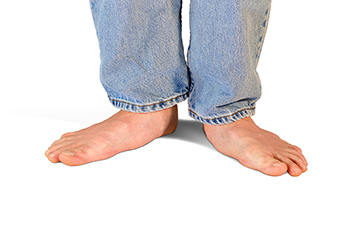
When you stand, walk, or run, the body distributes your weight through the arches of the foot. If your arches are flat, the pressure is then transferred to the bones, ligaments, and muscles, which can cause pain. Luckily, having flat feet doesn’t always cause serious foot problems, thanks to shoes or insoles that provide proper arch support. Experts recommend a number of ways to reduce the painful effects of having flat feet. First, avoid wearing flats, such as flip flops or sandals, that offer little or no arch support. Next, try to find shoes that offer just the right amount of arch support, as too much or too little can contribute to pain. Other tips include wearing shoes that are appropriate for the activity you are doing, avoiding standing for long periods, and considering adding inserts to your already existing shoes. Much success has been found by wearing custom orthotics that are molded especially for your feet. For more information about orthotics for flat feet, it is suggested that you visit a podiatrist.
Flatfoot is a condition many people suffer from. If you have flat feet, contact Brian D. Jackson, DPM from Neuhaus Foot and Ankle. Our doctor will treat your foot and ankle needs.
What Are Flat Feet?
Flatfoot is a condition in which the arch of the foot is depressed and the sole of the foot is almost completely in contact with the ground. About 20-30% of the population generally has flat feet because their arches never formed during growth.
Conditions & Problems:
Having flat feet makes it difficult to run or walk because of the stress placed on the ankles.
Alignment – The general alignment of your legs can be disrupted, because the ankles move inward which can cause major discomfort.
Knees – If you have complications with your knees, flat feet can be a contributor to arthritis in that area.
Symptoms
- Pain around the heel or arch area
- Trouble standing on the tip toe
- Swelling around the inside of the ankle
- Flat look to one or both feet
- Having your shoes feel uneven when worn
Treatment
If you are experiencing pain and stress on the foot you may weaken the posterior tibial tendon, which runs around the inside of the ankle.
If you have any questions, please feel free to contact one of our offices located in Columbia and Pulaski, TN . We offer the newest diagnostic and treatment technologies for all your foot care needs.
Published in Blog
Tagged under
Tuesday, 21 March 2023 00:00
Flat Feet
Flatfoot is a foot condition in which the arch of the foot has either partially or totally dropped or has never developed. While it is common in babies and small children, it can become a problem for them in adulthood if the arch never forms. For adults, the development of flat feet can be brought upon by injury, as a result of pregnancy due to increased elasticity, or obesity. Those who have health concerns such as rheumatoid arthritis or diabetes may also be at greater risk for developing the condition.
If you suspect that you have flat feet, it is best to consult your podiatrist. Your foot doctor will examine the suspected foot and observe how it looks while you sit and stand. He or she may take an X-ray to determine how serious the condition is. Some common signs of flatfoot include toe drift, in which the toes and front part of the foot point outward, a short Achilles tendon, and a heel that tilts outwardly while the ankle tilts inward.
Once flatfoot has been diagnosed, your podiatrist may suggest one of several treatment options. Flat feet can be rigid, in which the feet appear to have no arch even when the person is not standing; or flexible, in which the person appears to have an arch while not standing, but once standing the arch disappears. Those with flexible flatfoot may be told to reduce any activities that cause pain and to avoid extended periods of walking or standing. Another suggestion may be weight loss, as excessive weight may be placing pressure on the arches
In few cases, if the condition is severe and all other methods have been exhausted surgery may be required. This is normally avoided, however, due to a lengthy recovery time and high cost.
Published in Featured
Tagged under
Tuesday, 14 March 2023 00:00
Causes of Plantar Hyperhidrosis
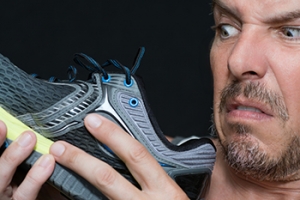
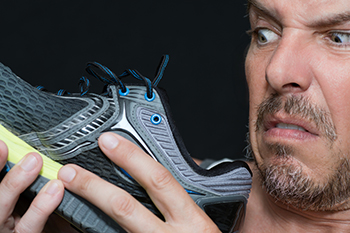
People with excessively sweaty feet may have a condition referred to as plantar hyperhidrosis. Both feet are generally affected and having this condition can cause embarrassment, depression, and anxiety. Studies suggest the cause of plantar hyperhidrosis may be a result of inadequacy within the nervous system that controls sweating. Triggers may be caused by pregnancy, having an overactive thyroid gland, and specific medications. Mild relief may be found when a stronger antiperspirant is used, in addition to wearing loose and lighter color clothing. This condition may also be helped when alcohol and spicy foods are limited. There are numerous treatment techniques available, so if you suffer from plantar hyperhidrosis, it is suggested that you confer with a podiatrist to determine the best one for you.
If you are suffering from hyperhidrosis contact Brian D. Jackson, DPM of Neuhaus Foot and Ankle. Our doctor can provide the care you need to attend to all of your foot and ankle needs.
Hyperhidrosis of the Feet
Hyperhidrosis is a rare disorder that can cause people to have excessive sweating of their feet. This can usually occur all on its own without rigorous activity involved. People who suffer from hyperhidrosis may also experience sweaty palms.
Although it is said that sweating is a healthy process meant to cool down the body temperature and to maintain a proper internal temperature, hyperhidrosis may prove to be a huge hindrance on a person’s everyday life.
Plantar hyperhidrosis is considered to be the main form of hyperhidrosis. Secondary hyperhidrosis can refer to sweating that occurs in areas other than the feet or hands and armpits. Often this may be a sign of it being related to another medical condition such as menopause, hyperthyroidism and even Parkinson’s disease.
In order to alleviate this condition, it is important to see your doctor so that they may prescribe the necessary medications so that you can begin to live a normal life again. If this is left untreated, it is said that it will persist throughout an individual’s life.
A last resort approach would be surgery, but it is best to speak with your doctor to find out what may be the best treatment for you.
If you have any questions, please feel free to contact one of our offices located in Columbia and Pulaski, TN . We offer the newest diagnostic and treatment technologies for all your foot care needs.
Published in Blog
Tagged under
Tuesday, 14 March 2023 00:00
Hyperhidrosis of the Feet
Each foot, on average, has about 250,000 eccrine sweat glands that produce half a pint of sweat each day. Sweating is a natural and important bodily function. It regulates the body’s temperature by cooling the skin so that it does not overheat. In individuals with hyperhidrosis, the sympathetic nervous system works in "overdrive", producing far more sweat than what is required. People with plantar hyperhidrosis experience an excess amount of sweat on their feet. It is estimated that 2% to 3% of all Americans suffer from some form of hyperhidrosis. This condition is often caused by neurologic, endocrine, infectious, and other systemic disease. Other factors that may trigger the condition are heat and emotions.
People with hyperhidrosis may notice an overabundance of sweat on their feet, along with a strong odor. The feet may also have a wet appearance coupled with infections such as athlete’s foot or toenail fungus. The sweat may even appear in low temperatures, such as during the winter months. People with plantar hyperhidrosis often need to change their socks several times throughout the day.
The specific cause of hyperhidrosis is unknown, and many believe it may be caused by over-activity. However, others believe the condition is genetic. Caffeine and nicotine are known to cause excitement and nervousness which are two emotions that may make the condition worse.
If you are looking to treat your hyperhidrosis the most important thing you should do is wash your feet every day. You may even need to wash your feet twice a day, if necessary. You should also make sure you are wearing the right socks. Wool and cotton socks are both known to be good for ventilation, meaning they allow the feet to breathe. You should avoid socks made from nylon which trap moisture and lead to sogginess. Other common treatment options are over-the-counter antiperspirants that contain a low dose of metal salt. In some cases, prescription strength antiperspirants that contain aluminum chloride hexahydrate may be necessary. In severe cases, surgery may be required.
Untreated hyperhidrosis can easily lead to complications. Some complications that may arise from the disorder include nail infections, warts, and bacterial infections. Consequently, it is important that you seek treatment from your podiatrist if you suspect that you may have plantar hyperhidrosis.
Published in Featured
Tagged under
Thursday, 09 March 2023 00:00
It's Time for Beautiful Feet


You don't need an excuse to have beautiful nails. Step outside without worrying about the appearance of your feet.
Published in Blog
Tagged under
Tuesday, 07 March 2023 00:00
Many Facets to Work Shoes

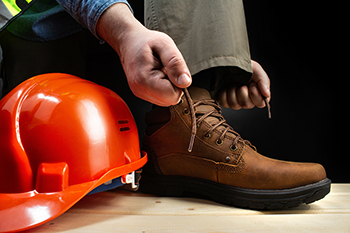
Many people have foot pain when their work day is over, and it is important to wear shoes that fit correctly that can help to reduce the aches and pains of standing all day. In addition to this, it is urged to practice foot safety, and this begins with purchasing protective shoes. Accidents may be reduced when shoes have a slip-resistant outer sole that offers adequate grip if the shoes get wet with water, oil, or grease. It is beneficial the shoes have a multilayer insole that can help to reduce strain in different areas of the foot. Swollen feet may be kept at a minimum when the shoes that are worn have a large toe area, in addition to having a deep heel cup that can help the feet to align with the ankles. It is best that the shoes are made from durable materials, and this may help ensure minimum wear and tear. The end of the work day when the feet are at their largest is the best time to buy work shoes, and it is helpful to try the intended shoes on with the socks that will be worn. If you have questions about what type of shoes to buy for your work day, it is suggested that you consult with a podiatrist who can answer any questions you may have.
While working on the feet, it is important to take the proper care of them. For more information about working on your feet, contact Brian D. Jackson, DPM from Neuhaus Foot and Ankle. Our doctor will treat your foot and ankle needs.
Working on Your Feet
Standing on your feet for long periods of time can cause stress and pain in your feet. Your whole body may experience change in terms of posture, back pain, bunions, callouses and or plantar warts. There are ways to avoid these conditions with proper foot care, smart choices and correct posture.
Positive Changes
Negative heeled shoe – Choosing this shoe type places the heel slightly lower than the ball of the foot. These are great for overall foot health. Find shoes that fit you correctly.
Go barefoot – Our feet were not designed to be enclosed for all hours of the day. Try to periodically expose your feet to air.
Eliminate Pain
Foot Exercises – Performing simple exercises, incorporating yoga and doing stretches are beneficial. This will allow increased blood flow to the area and muscles of the foot.
Achilles tendon – Stretching the foot out flat on the floor will relax the calf muscles and tendon. These exercises can be performed almost anywhere. Make sure you add these exercises to your daily regimen.
With a little bit of this information and knowing more about foot health, you will notice changes. Foot stretches and proper footwear will help with pain and prevent further issues.
If you have any questions please contact one of our offices located in Columbia and Pulaski, TN . We offer the newest diagnostic and treatment technologies for all your foot and ankle needs.
Published in Blog
Tagged under