

Two Types of Ankle Sprains

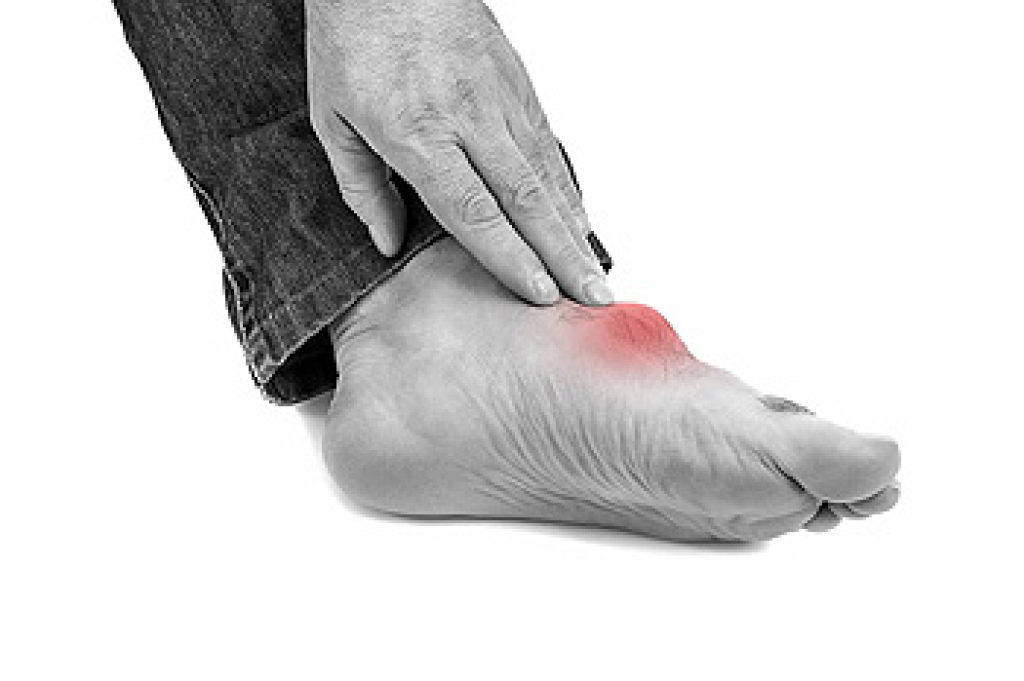
If you have endured an ankle sprain, it may have happened as a result of suddenly rolling your ankle. This can occur from stepping off of a curb unexpectedly, or from tripping on an unseen object. An eversion sprain generally targets the inner part of the ankle, and may affect the arch of the foot. If the ankle rolls outward, it is known as an inversion sprain, and may cause the ligaments to stretch or tear. There are common symptoms that are associated with ankle sprains. These can include severe pain and discomfort, swelling, and it may be difficult to move or bend the ankle. Moderate relief can be found if the affected foot is taped with an elastic bandage, and this may help to provide the support that is needed as the healing process takes place. If you have sprained your ankle, it is strongly suggested that you seek the counsel of a podiatrist who can guide you toward the correct treatment.

Ankle sprains are common but need immediate attention. If you need your feet checked, contact Brian D. Jackson, DPM from Neuhaus Foot and Ankle. Our doctor can provide the care you need to keep you pain-free and on your feet.

How Does an Ankle Sprain Occur?

Ankle sprains take place when the ligaments in your ankle are torn or stretched beyond their limits. There are multiple ways that the ankle can become injured, including twisting or rolling over onto your ankle, putting undue stress on it, or causing trauma to the ankle itself.

What Are the Symptoms?

  • Mild to moderate bruising
  • Limited mobility
  • Swelling
  • Discoloration of the skin (depending on severity)

Preventing a Sprain

  • Wearing appropriate shoes for the occasion
  • Stretching before exercises and sports
  • Knowing your limits

Treatment of a Sprain

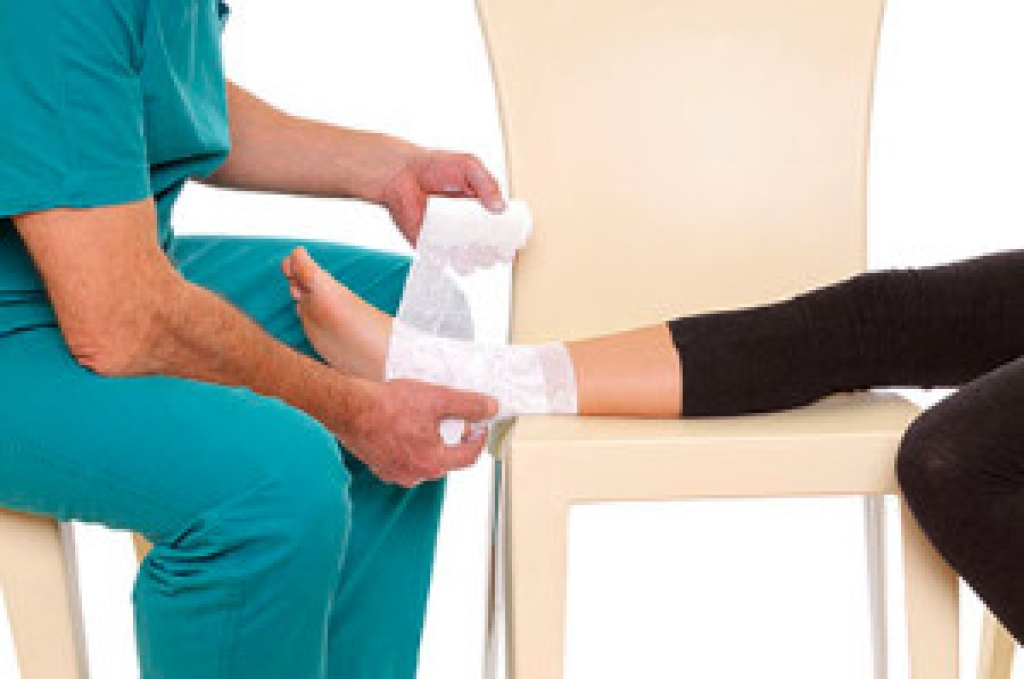
Treatment of a sprain depends on the severity.  Many times, people are told to rest and remain off their feet completely, while others are given an air cast. If the sprain is very severe, surgery may be required.

If you have suffered an ankle sprain previously, you may want to consider additional support such as a brace and regular exercises to strengthen the ankle.

If you have any questions please feel free to contact one of our offices located in Columbia and Pulaski, TN . We offer the newest diagnostic tools and technology to treat your foot and ankle needs.

Read more about Ankle Sprains

Can Exercise Help You to Avoid Falling?

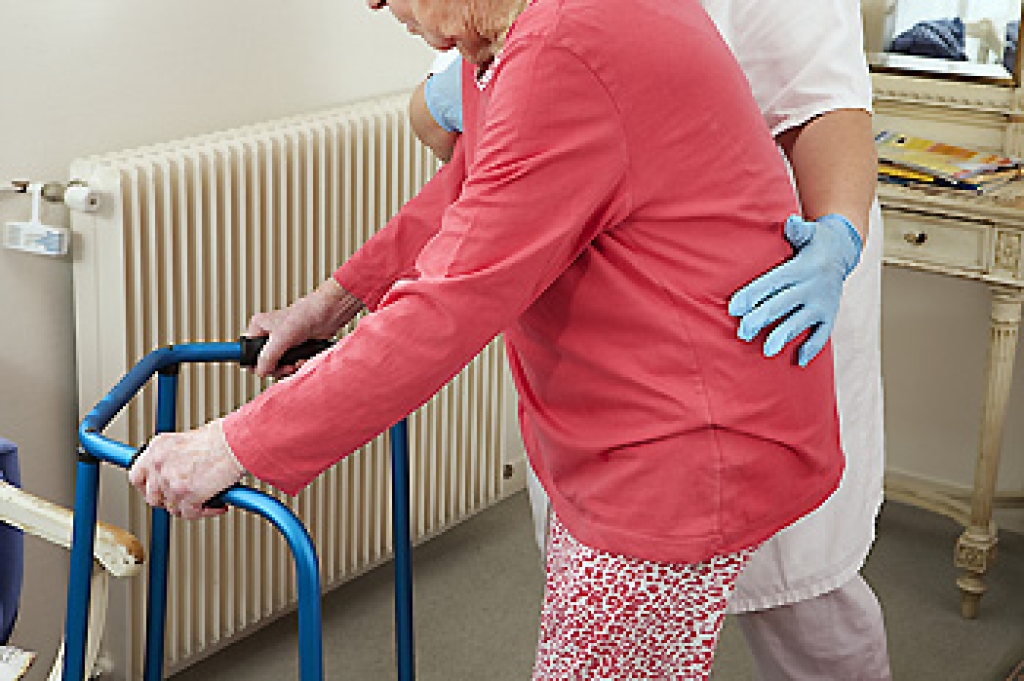
Many elderly people are susceptible to falling. This can be a result of impaired vision, tripping hazards that may be present in the house, or foot ailments that can make it difficult to walk. Research has indicated it may be beneficial to improve conditions in the house which may help to prevent falling. These can include improved lighting, installing grab bars in the shower and toilet area, in addition to performing a gentle exercise routine. This can help to build strength in the body, which could possibly prevent falling. If your feet have been affected by a fall, it is suggested that you consult with a podiatrist who can help you with implementing strategies to prevent falling.

Preventing falls among the elderly is very important. If you are older and have fallen or fear that you are prone to falling, consult with Brian D. Jackson, DPM from Neuhaus Foot and Ankle. Our doctor will assess your condition and provide you with quality advice and care.

Every 11 seconds, an elderly American is being treated in an emergency room for a fall related injury. Falls are the leading cause of head and hip injuries for those 65 and older. Due to decreases in strength, balance, senses, and lack of awareness, elderly persons are very susceptible to falling. Thankfully, there are a number of things older persons can do to prevent falls.

How to Prevent Falls

Some effective methods that older persons can do to prevent falls include:

  • Enrolling in strength and balance exercise program to increase balance and strength
  • Periodically having your sight and hearing checked
  • Discuss any medications you have with a doctor to see if it increases the risk of falling
  • Clearing the house of falling hazards and installing devices like grab bars and railings
  • Utilizing a walker or cane
  • Wearing shoes that provide good support and cushioning
  • Talking to family members about falling and increasing awareness

Falling can be a traumatic and embarrassing experience for elderly persons; this can make them less willing to leave the house, and less willing to talk to someone about their fears of falling. Doing such things, however, will increase the likelihood of tripping or losing one’s balance. Knowing the causes of falling and how to prevent them is the best way to mitigate the risk of serious injury.  

If you have any questions, please feel free to contact one of our offices located in Columbia and Pulaski, TN . We offer the newest diagnostic and treatment technologies for all your foot care needs.

Read more about Falls Prevention

The Importance of Podiatric Care for Diabetic Patients

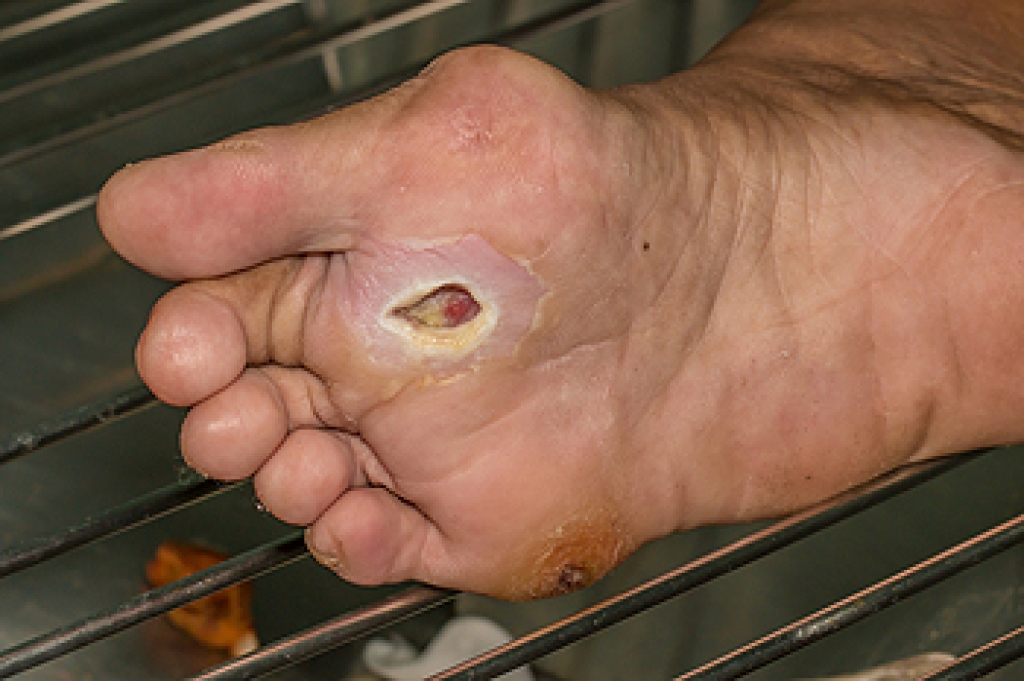
Elevated blood sugar levels may cause foot conditions in diabetic patients. A loss of feeling may develop in the feet, which is referred to as neuropathy, and this can make it difficult to feel any sores or cuts that may be on the feet. An open sore may become infected, and develop into a foot ulcer. If this is left untreated, it may lead to amputation. There are several symptoms that can indicate serious foot conditions in diabetic patients. These can include a tingling sensation, staining on the socks, and the feet may feel cold. It is strongly advised that patients who are afflicted with diabetes are under the routine care of a podiatrist who can help them to efficiently manage this condition.

Diabetic foot care is important in preventing foot ailments such as ulcers. If you are suffering from diabetes or have any other concerns about your feet, contact Brian D. Jackson, DPM from Neuhaus Foot and Ankle. Our doctor can provide the care you need to keep you pain-free and on your feet.

Diabetic Foot Care

Diabetes affects millions of people every year. The condition can damage blood vessels in many parts of the body, especially the feet. Because of this, taking care of your feet is essential if you have diabetes, and having a podiatrist help monitor your foot health is highly recommended.

The Importance of Caring for Your Feet

  • Routinely inspect your feet for bruises or sores.
  • Wear socks that fit your feet comfortably.
  • Wear comfortable shoes that provide adequate support.

Patients with diabetes should have their doctor monitor their blood levels, as blood sugar levels play such a huge role in diabetic care. Monitoring these levels on a regular basis is highly advised.

It is always best to inform your healthcare professional of any concerns you may have regarding your feet, especially for diabetic patients. Early treatment and routine foot examinations are keys to maintaining proper health, especially because severe complications can arise if proper treatment is not applied.

If you have any questions, please feel free to contact one of our offices located in Columbia and Pulaski, TN . We offer the newest diagnostic and treatment technologies for all your foot care needs.
Read more about How to Care for Diabetic Foot
Connect with us

our recent articles