


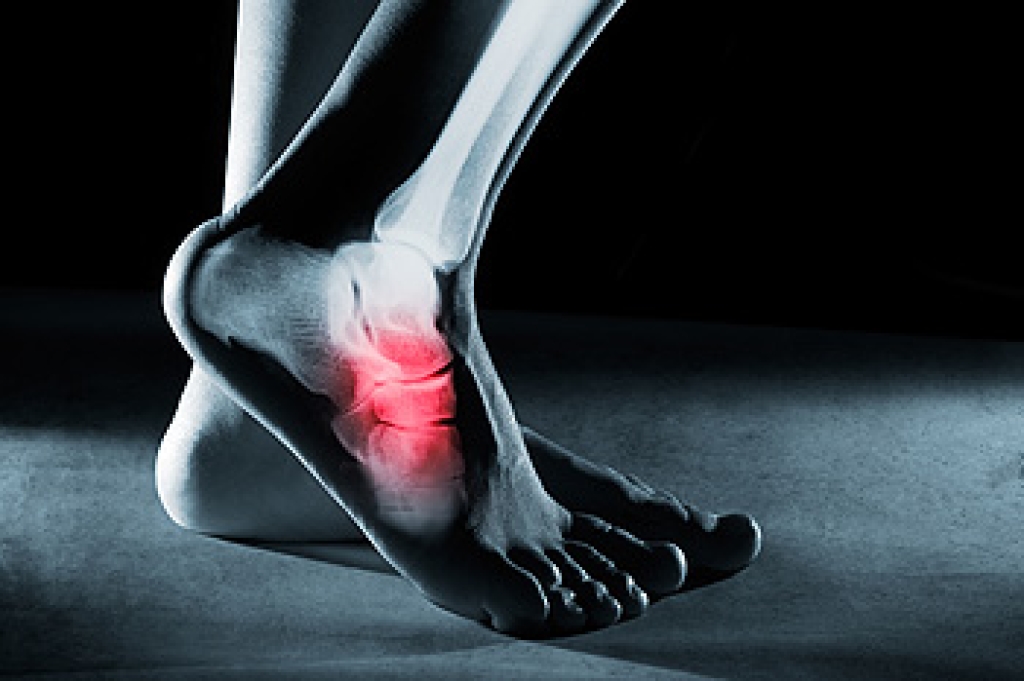
Foot Stress Fractures From Repetitive Impact

A foot stress fracture is a small crack in a bone that develops gradually due to repetitive force rather than a single injury. It commonly affects runners, athletes, and individuals who spend long hours on their feet. These fractures often occur in the metatarsal bones and are linked to repeated impact without enough recovery time. Causes include sudden increases in running intensity, changes in surface such as moving from soft ground to pavement, and wearing improper footwear. This condition may begin subtly, but can worsen if ignored.

Symptoms of a foot stress fracture usually start with mild pain that increases during activity. Over time, the pain may become constant and more localized. Swelling and tenderness are common, and the affected area may feel extremely sensitive to touch. Some individuals notice discomfort even during normal walking or standing. Unlike a soft tissue injury, the pain often persists despite rest, which can signal a more serious underlying issue.


Risk factors include age-related bone loss, which can reduce bone strength and increase vulnerability to fractures. Nutritional deficiencies, especially low calcium or vitamin D intake, may also weaken bones. Additional risk factors include overtraining, poor biomechanics, and a history of previous fractures. Wearing worn out or unsupportive shoes can further increase stress on the foot and contribute to injury.


Early recognition and proper care are essential for healing. Treatment often involves rest, activity modification, and wearing supportive footwear. In some cases, immobilization may be necessary to allow the bone to recover. Ignoring symptoms can lead to more severe injury and longer recovery time. If you have a foot stress fracture or suspect one due to consistent pain and swelling, it is suggested that you consult a podiatrist for effective relief and treatment solutions.

Stress fractures occur when there is a tiny crack within a bone. To learn more, contact Brian D. Jackson, DPM from Neuhaus Foot and Ankle. Our doctor can provide the care you need to keep you pain free and on your feet.

How Are They Caused?

Stress fractures are the result of repetitive force being placed on the bone. Since the lower leg and feet often carry most of the body’s weight, stress fractures are likely to occur in these areas. If you rush into a new exercise, you are more likely to develop a stress fracture since you are starting too much, too soon.  Pain resulting from stress fractures may go unnoticed at first, however it may start to worsen over time.

Risk Factors

  • Gender – They are more commonly found in women compared to men.
  • Foot Problems – People with unusual arches in their feet are more likely to develop stress fractures.
  • Certain Sports – Dancers, gymnasts, tennis players, runners, and basketball players are more likely to develop stress fractures.
  • Lack of Nutrients – A lack of vitamin D and calcium may weaken the bones and make you more prone to stress fractures
  • Weak Bones – Osteoporosis can weaken the bones therefore resulting in stress fractures

Stress fractures do not always heal properly, so it is important that you seek help from a podiatrist if you suspect you may have one. Ignoring your stress fracture may cause it to worsen, and you may develop chronic pain as well as additional fractures.

If you have any questions please contact one of our offices located in Columbia and Pulaski, TN . We offer the newest diagnostic and treatment technologies for all your foot and ankle needs.

Read more about Stress Fractures of the Foot and Ankle

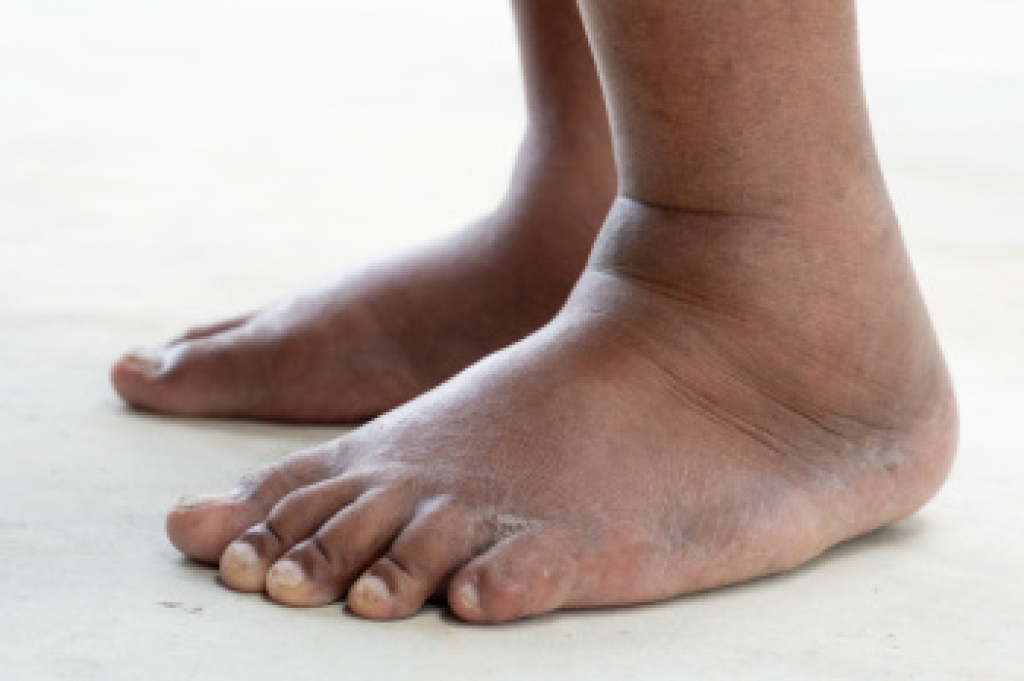
Causes and Treatment of Swollen Feet

Swelling of the feet happens when extra fluid collects in the tissues, causing the feet to look or feel larger than usual. It may affect one foot or both and can occur suddenly or develop gradually. Swollen feet are sometimes linked to an injury, standing for long periods, or pregnancy. Swelling also may signal a more serious health problem that needs prompt medical attention. Other symptoms include pain, stiffness, and redness. Warmth or difficulty wearing shoes comfortably are other factors. The swollen skin may be tight or shiny, causing reduced flexibility in the feet and ankles. Because swelling has many possible causes, it should not be ignored. A professional evaluation can help determine what is causing the problem and whether additional medical care is needed.

A podiatrist can examine your feet and ankles to identify the source of the swelling. This may include checking the joints, soft tissues, nerves, and circulation for signs of injury or disease. If needed, a podiatrist may recommend imaging studies or work with your primary healthcare provider to help identify the underlying cause. Treatment depends on the diagnosis and may include reducing inflammation, improving circulation, or addressing injuries and other foot conditions. The goal is to reduce pain, improve foot function, and protect long-term foot health. Early care may also help prevent swelling from affecting your balance, mobility, or ability to stay active.

Professional foot care is an important part of treating swollen feet and preventing further problems. A podiatrist can monitor your symptoms, recommend appropriate treatment, and help you return to normal activities as safely as possible. Prompt evaluation may also identify conditions that require additional medical attention before they become more serious. Whether swelling develops after an injury or without a clear cause, early diagnosis can lead to improved comfort and healthier movement for many patients. If you have swollen feet, it is suggested that you consult a podiatrist for an evaluation.

Swollen feet can be a sign of an underlying condition. If you have any concerns, contact Brian D. Jackson, DPM of Neuhaus Foot and Ankle. Our doctor can provide the care you need to keep you pain-free and on your feet.

Swollen feet are a common ailment among pregnant women and people who stand or sit for extended periods. Aging may increase the possibility of swollen feet and patients who are obese often notice when their feet are swelling too. There may be medical reasons why swollen feet occur:

  • Phlebitis - A condition that causes the veins to become inflamed and can also cause leg pain.
  • Liver disease - This may lead to low blood levels of albumin which is a protein. This can cause fluid in the blood to pass into the tissues and several areas of the body can become swollen.
  • Heart failure - When the heart doesn’t pump properly the blood that is normally pumped back to the heart can pool in the veins of the legs causing swollen feet.
  • Kidney disease - One of the main functions of the kidneys is releasing excess fluid in the body. This type of condition can make it difficult for the kidneys to function properly, and as a result the feet may become swollen.
  • Deep-vein thrombosis (DVT)- This is a serious condition where blood clots form in the veins of the legs. They can block the return of blood from the legs to the heart which may cause the feet to swell. It is important to be treated by a podiatrist if this condition is present.

Swollen feet can also be caused by bone and tendon conditions, including fractures, arthritis, and tendinitis. Additionally, there may be skin and toenail conditions and an infection may cause the feet to swell. Patients who take medicine to treat high blood pressure may be prone to getting swollen feet. 

Many patients elevate their feet to help relieve the swelling and this is generally a temporary remedy. When a podiatrist is consulted the reason behind the swelling can be uncovered and subsequently treated.

If you have any questions please contact one of our offices located in Columbia and Pulaski, TN . We offer the newest diagnostic and treatment technologies for all your foot and ankle needs.
Read more about Swelling of the Feet

Causes and Symptoms of Corns

Foot corns develop as a result of repeated pressure or friction on the skin. They often appear as small, thickened areas of hardened skin, usually on the toes or areas of the foot that bear excessive pressure. In podiatry, corns are considered a protective response by the body, where skin builds up to shield underlying tissues from irritation. Although they may seem minor at first, corns can become painful and interfere with daily walking, if not properly managed. Symptoms of foot corns typically include a raised, hardened bump with a dense, hardened center. The surrounding skin may feel tender or sensitive, especially when pressure is applied through walking or wearing shoes. Some people experience a sharp or burning sensation in the affected area. Corns often develop gradually, and many people first notice discomfort when wearing tight or narrow footwear. The skin may become increasingly thick and uncomfortable, making it difficult to find relief without professional care.

The primary cause of foot corns is repeated friction or pressure. This is commonly linked to ill-fitting shoes that squeeze the toes or create uneven pressure points on the foot. Wearing high-heeled shoes, tight toe boxes, and shoes without proper support can all contribute to corn formation. Toe deformities such as hammertoes or bunions can also increase friction between toes or against footwear. In addition, walking or standing for long periods of time on hard surfaces can increase the likelihood of developing corns due to constant pressure on specific areas of the foot.


Risk factors for foot corns include improper footwear, having foot deformities, and participating in activities that place repetitive stress on the feet. Individuals with diabetes or circulation issues may be at a higher risk for complications, as skin changes in the feet should be monitored closely. Without treatment, corns may continue to grow and become more painful, potentially leading to changes in gait or posture as a result of trying to avoid discomfort.


A podiatrist can diagnose foot corns through a simple physical examination and determine the underlying cause of pressure or friction. Treatment may involve removing thickened skin, recommending proper footwear, and addressing biomechanical issues that contribute to corn formation. Custom orthotics or padding may also be used to reduce pressure and prevent recurrence. If you have symptoms of a corn, it is suggested that you consult a podiatrist for effective relief solutions and prevention tips.

If you have any concerns regarding your feet and ankles, contact Brian D. Jackson, DPM of Neuhaus Foot and Ankle. Our doctor will treat your foot and ankle needs.

Corns: What Are They? and How Do You Get Rid of Them?
Corns can be described as areas of the skin that have thickened to the point of becoming painful or irritating. They are often layers and layers of the skin that have become dry and rough, and are normally smaller than calluses.

Ways to Prevent Corns
There are many ways to get rid of painful corns such as wearing:

  • Well-fitting socks
  • Comfortable shoes that are not tight around your foot
  • Shoes that offer support

Treating Corns
Treatment of corns involves removing the dead skin that has built up in the specific area of the foot. Consult with Our doctor to determine the best treatment option for your case of corns.

If you have any questions, please feel free to contact one of our offices located in Columbia and Pulaski, TN . We offer the newest diagnostic and treatment technologies for all your foot care needs.

Read more about Corns and Calluses

Everyday Care for Better Foot Health

Your feet support your body with every step, making everyday foot care an important part of staying active and comfortable. Healthy feet help you walk, exercise, and complete daily activities with less discomfort. However, small foot problems can become larger concerns when they are ignored. Pain, changes in the skin, or changes in the toenails may be early signs that something is wrong. People with diabetes, poor circulation, or certain medical conditions have a greater risk of developing serious foot problems and should pay close attention to any changes. Paying attention to your foot health and seeking professional care when concerns arise can help prevent more serious complications and keep you moving with confidence.


A podiatrist plays an important role in protecting your long-term foot health. During an examination, a podiatrist can identify problems that may not be obvious and recommend treatment before they become more serious. Professional care may include treating foot pain, managing nail disorders, or addressing skin conditions that affect the feet. A podiatrist can also evaluate the way your feet function and determine whether an underlying condition is placing extra stress on your joints or soft tissues. Early diagnosis and treatment often lead to better outcomes and may help reduce the risk of long-term discomfort.


Regular podiatry visits can help keep your feet healthy and support your overall mobility throughout life. Professional foot care is especially valuable if you notice ongoing pain, changes in the appearance of your feet, or problems that do not improve. Seeking care early allows a podiatrist to address concerns before they interfere with your daily routine. Whether you need treatment for foot pain, nail conditions, or other foot concerns, professional podiatry care is designed to help you stay active and protect your foot health. If you notice ongoing foot pain or other changes in your feet, it is suggested that you consult a podiatrist for an evaluation and appropriate treatment options.
 

Everyday foot care is very important to prevent infection and other foot ailments. If you need your feet checked, contact Brian D. Jackson, DPM from Neuhaus Foot and Ankle. Our doctor can provide the care you need to keep you pain-free and on your feet.

Everyday Foot Care

Often, people take care of their bodies, face and hair more so than they do for their feet. But the feet are a very important aspect of our bodies, and one that we should pay more attention to. Without our feet, we would not be able to perform most daily tasks.

It is best to check your feet regularly to make sure there are no new bruises or cuts that you may not have noticed before. For dry feet, moisturizer can easily be a remedy and can be applied as often as necessary to the affected areas. Wearing shoes that fit well can also help you maintain good foot health, as well as making it easier to walk and do daily activities without the stress or pain of ill-fitting shoes, high heels, or even flip flops. Wearing clean socks with closed shoes is important to ensure that sweat and bacteria do not accumulate within the shoe. Clean socks help to prevent Athlete’s foot, fungi problems, bad odors, and can absorb sweat.

If you have any questions, please feel free to contact one of our offices located in Columbia and Pulaski, TN . We offer the newest diagnostic and treatment technologies for all your foot care needs.

Read more about Everyday Foot Care

Are You Suffering From Ingrown Toenails?

If left untreated, an ingrown toenail can lead to more serious concerns, such as an infection. Knowing proper nail care can help in the prevention of an ingrown toenail. Give us a call, and get treated!

Connect with us

our recent articles