


Signs of Cuboid Syndrome

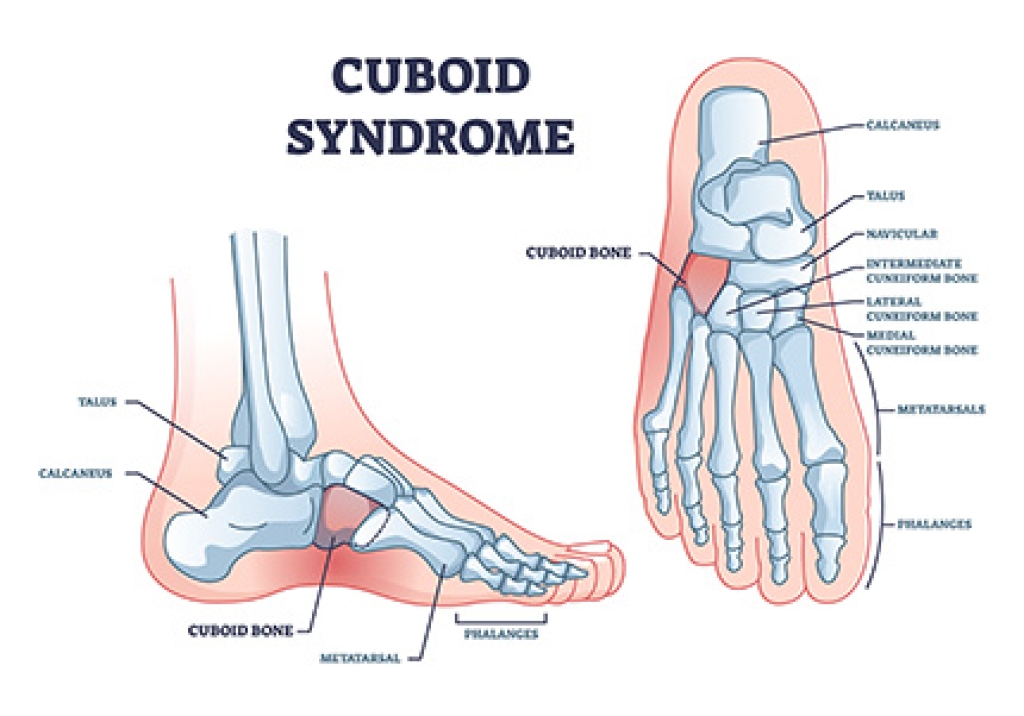
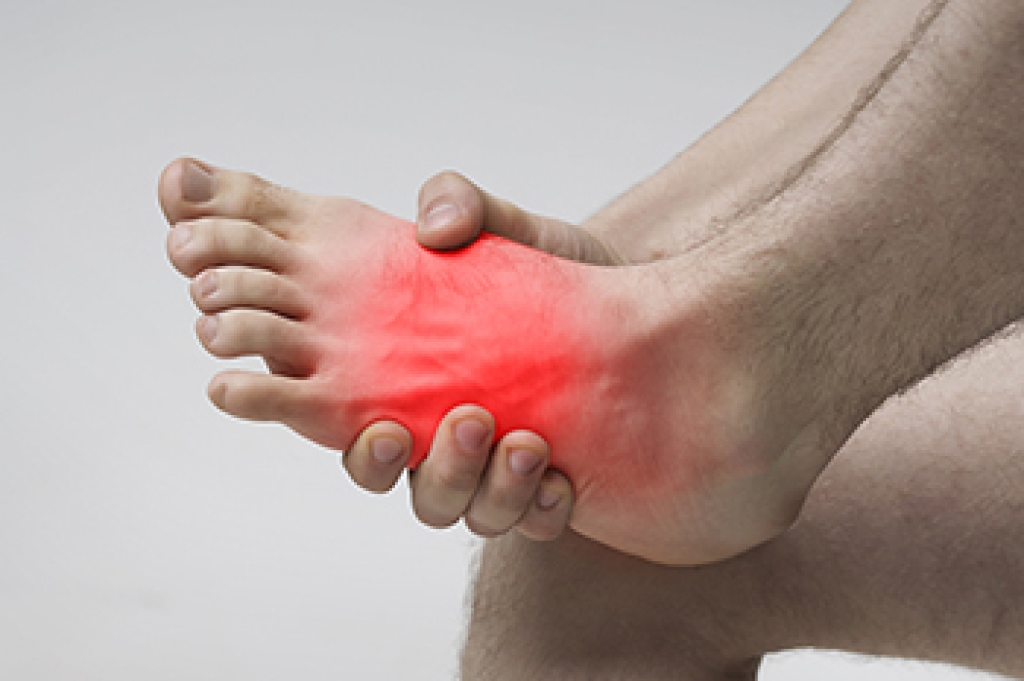
Cuboid syndrome develops when the cuboid bone and nearby joint in the foot move out of their normal position or become irritated. The cuboid is a small bone located on the outer side of the foot near the ankle. Pain from cuboid syndrome is usually felt along the outside of the foot. The area can also become tender or swollen. Some patients notice weakness in the foot or difficulty moving it normally. Pain can become worse when standing or placing weight on the affected foot.

An ankle injury can lead to cuboid syndrome, especially when the ankle rolls inward. Repetitive stress can also irritate the area. Activities that place repeated pressure on the feet, like running or dancing, can increase the risk. Foot structure can also play a role. People with flat feet can be more likely to develop cuboid syndrome because changes in foot mechanics can place extra stress on the cuboid area. Wearing shoes that are too tight can also contribute to foot problems. Because symptoms can resemble other injuries, determining the exact source of outer-foot pain is important.

A podiatrist can examine the foot to determine whether the cuboid area is causing the pain. The evaluation can include checking tenderness, joint movement, and how the foot functions when weight is placed on it. A podiatrist can also assess foot structure and walking patterns that could contribute to repeated stress. Treatment can focus on restoring proper movement and reducing pressure on the painful area. Supportive devices can also help address foot mechanics that contribute to symptoms.  An accurate diagnosis is important because fractures and other foot conditions can cause similar pain. If you have symptoms of cuboid syndrome, it is suggested that you schedule an appointment with a podiatrist for a diagnosis and appropriate treatment.

Cuboid syndrome, also known as cuboid subluxation, occurs when the joints and ligaments near the cuboid bone in the foot become torn. If you have cuboid syndrome, consult with Brian D. Jackson, DPM from Neuhaus Foot and Ankle. Our doctor will assess your condition and provide you with quality foot and ankle treatment.

Cuboid syndrome is a common cause of lateral foot pain, which is pain on the outside of the foot. The condition may happen suddenly due to an ankle sprain, or it may develop slowly overtime from repetitive tension through the bone and surrounding structures.

Causes

The most common causes of cuboid syndrome include:

  • Injury – The most common cause of this ailment is an ankle sprain.
  • Repetitive Strain – Tension placed through the peroneus longus muscle from repetitive activities such as jumping and running may cause excessive traction on the bone causing it to sublux.
  • Altered Foot Biomechanics – Most people suffering from cuboid subluxation have flat feet.

Symptoms

A common symptom of cuboid syndrome is pain along the outside of the foot which can be felt in the ankle and toes. This pain may create walking difficulties and may cause those with the condition to walk with a limp.

Diagnosis

Diagnosis of cuboid syndrome is often difficult, and it is often misdiagnosed. X-rays, MRIs and CT scans often fail to properly show the cuboid subluxation. Although there isn’t a specific test used to diagnose cuboid syndrome, your podiatrist will usually check if pain is felt while pressing firmly on the cuboid bone of your foot.

Treatment

Just as the range of causes varies widely, so do treatments. Some more common treatments are ice therapy, rest, exercise, taping, and orthotics.

If you have any questions, please feel free to contact one of our offices located in Columbia and Pulaski, TN . We offer the newest diagnostic and treatment technologies for all your foot care needs.
Read more about Cuboid Syndrome

Peripheral Artery Disease and Foot Health Effects

Peripheral artery disease, or PAD, occurs when arteries become narrowed or blocked, reducing blood flow to the legs and feet. A common cause is atherosclerosis, which develops when plaque builds up inside the arteries and impedes blood flow. Adequate circulation supplies the feet with oxygen and nutrients needed for healthy tissue and normal healing. When circulation is reduced, minor cuts, blisters, or sores may take longer to heal and can become more difficult to manage. PAD may progress slowly, and some people have few noticeable symptoms at first. Recognizing possible warning signs can encourage timely evaluation and care.

Common symptoms of PAD include aching, cramping, or pain in the legs or feet while walking that improves with rest. Other signs may include numbness, weakness, and skin discoloration. More advanced PAD can cause persistent foot pain, including discomfort that becomes worse at night. Reduced circulation may also interfere with wound healing. Persistent sores, cuts, or blisters can increase the risk of infection and should receive prompt attention.

Smoking is a major risk factor for PAD because tobacco can damage blood vessels and interfere with circulation. Diabetes, high blood pressure, and a family history of vascular disease can also increase risk. PAD may significantly affect foot health by contributing to cold feet, skin changes, and a greater risk of infection. People with diabetes may face additional concerns when circulation problems occur with reduced sensation.

A podiatrist can examine the feet for signs of poor circulation and recommend additional testing when necessary. Evaluation may include checking skin temperature, color, and existing wounds. Treatment focuses on addressing risk factors, managing underlying conditions, and protecting the feet from injury. If you have symptoms of PAD, it is suggested that you consult a podiatrist for an accurate evaluation and appropriate treatment recommendations.

Peripheral artery disease can pose a serious risk to your health. It can increase the risk of stroke and heart attack. If you have symptoms of peripheral artery disease, consult with Brian D. Jackson, DPM from Neuhaus Foot and Ankle. Our doctor will assess your condition and provide you with quality foot and ankle treatment.

Peripheral artery disease (PAD) is when arteries are constricted due to plaque (fatty deposits) build-up. This results in less blood flow to the legs and other extremities. The main cause of PAD is atherosclerosis, in which plaque builds up in the arteries.

Symptoms

Symptoms of PAD include:

  • Claudication (leg pain from walking)
  • Numbness in legs
  • Decrease in growth of leg hair and toenails
  • Paleness of the skin
  • Erectile dysfunction
  • Sores and wounds on legs and feet that won’t heal
  • Coldness in one leg

It is important to note that a majority of individuals never show any symptoms of PAD.

Diagnosis

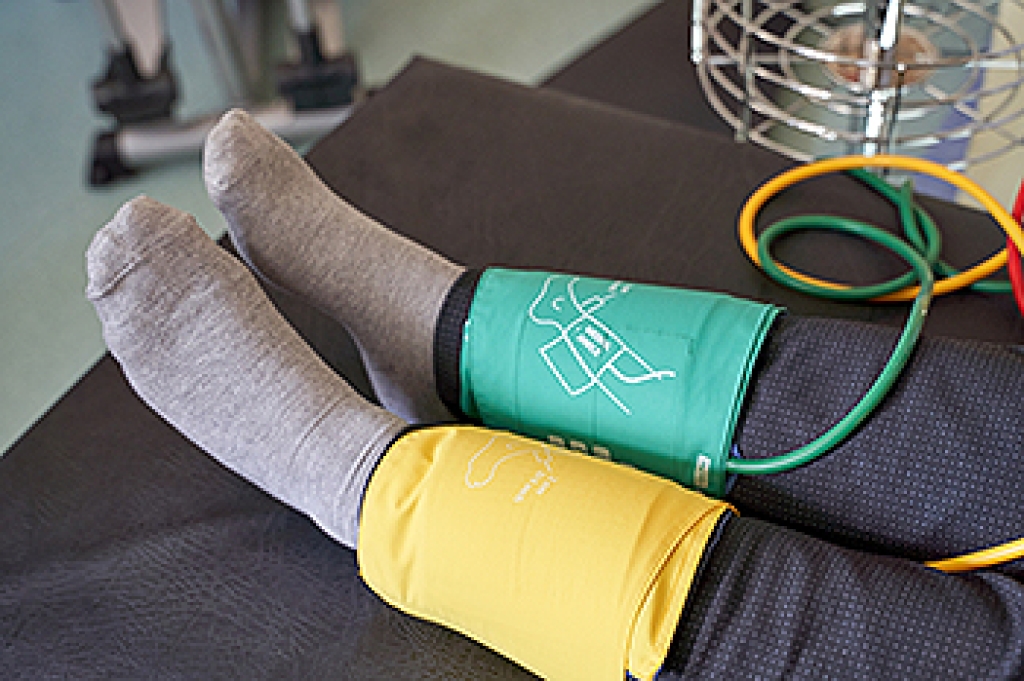
While PAD occurs in the legs and arteries, Podiatrists can diagnose PAD. Podiatrists utilize a test called an ankle-brachial index (ABI). An ABI test compares blood pressure in your arm to you ankle to see if any abnormality occurs. Ultrasound and imaging devices may also be used.

Treatment

Fortunately, lifestyle changes such as maintaining a healthy diet, exercising, managing cholesterol and blood sugar levels, and quitting smoking, can all treat PAD. Medications that prevent clots from occurring can be prescribed. Finally, in some cases, surgery may be recommended.

If you have any questions, please feel free to contact one of our offices located in Columbia and Pulaski, TN . We offer the newest diagnostic and treatment technologies for all your foot care needs.
Read more about Peripheral Artery Disease

How Fibromyalgia Can Cause Foot Pain

Fibromyalgia causes long-lasting pain and increased sensitivity throughout the body. It can also affect sleep, energy, and mood. Although the condition is not caused by a foot injury, many patients report aching, burning, or stabbing pain in their feet. The toes and ankles can also feel stiff or tender. In some cases, light pressure from socks or shoes can feel unusually painful. This increased sensitivity can cause normally painless sensations to hurt. Foot pain can also make it harder to stand, walk, and complete daily tasks.

Foot pain in a patient with fibromyalgia may be caused by other conditions. Plantar fasciitis, arthritis, or nerve problems can cause similar symptoms. A podiatrist can examine the feet, review the location of the pain, and assess how the patient walks. The examination can also identify swelling, reduced joint movement, or areas that are especially sensitive to pressure. X-rays or other imaging tests can help rule out structural problems. A clear diagnosis matters because fibromyalgia-related sensitivity and a separate foot condition can be present at the same time.

A podiatrist develops a treatment plan based on the examination and the patient’s daily needs. Custom orthotics can improve foot alignment, distribute pressure more evenly, and reduce strain on painful areas. The podiatrist can also recommend shoes with proper support and enough room around sensitive toes. Padding or other protective devices can reduce rubbing against tender skin. Regular foot evaluations allow the podiatrist to track changes in pain, movement, and function. Care can also be coordinated with the doctor managing the patient’s fibromyalgia. The goal is to ease foot stress and help the patient remain as comfortable and active as possible. If you have foot pain as the result of fibromyalgia, it is suggested that you schedule an appointment with a podiatrist effective relief and management solutions.

When dealing with systemic disease of the feet, it is extremely important to check the affected areas routinely so that any additional problems are caught quickly.  If you have any concerns about your feet and ankles contact Brian D. Jackson, DPM from Neuhaus Foot and Ankle. Our doctor will assist you with all of your podiatric needs.

Systemic Diseases of the Feet

Systemic diseases affect the whole body, and symptoms usually are displayed in the feet. This condition can make a patient’s ability to walk unbearable.  Systemic diseases include gout, diabetes mellitus, neurological disorders, and arthritis.

Gout – is caused by an excess of uric acid in the body. Common symptoms include pain, inflammation, and redness at the metatarsal/phalangeal joint of the base big toe. Gout can be treated by NSAIDs to relieve pain and inflammation, and other drugs that lower the acid levels in the body.

Diabetes mellitus – is an increase in the level of blood sugar that the body cannot counteract with its own insulin. Failure to produce enough insulin is a factor in Diabetes.

Diabetes of the Feet

Diabetic Neuropathy – may lead to damaged nerves and affect the feet through numbness and loss of sensation.

Peripheral Vascular Disease – can restrict the blood flow to the feet, and often times lead to amputation of the feet. 

If you have any questions please contact one of our offices located in Columbia and Pulaski, TN . We offer the newest diagnostic and treatment technologies for all your foot and ankle needs.

Read more about Systemic Diseases of the Foot

Podiatric Treatment for Painful Bunions

Bunions develop when the big toe shifts toward the other toes and a bony bump forms at its base. This change can make shoes fit differently and can cause discomfort while walking or standing. Symptoms include pain, redness, and swelling around the affected joint. Some patients also develop corns or calluses. Movement of the big toe can become limited, and the area can feel numb or have a burning sensation. A smaller bunion, called a bunionette, can form near the little toe in a similar way.

Several factors can increase the chance of developing bunions. Genetics can play an important role because people can inherit foot features linked to bunion development. These features include flat feet or loose ligaments, which connect bones and support joints. Rheumatoid arthritis and the shape of the foot bones can also contribute. A previous foot injury can be another factor. Tight shoes and high heels do not directly cause bunions, but they can encourage their development in people who are already at risk. They can also make existing bunion symptoms worse.

A podiatrist can evaluate a bunion by examining foot structure, toe position, and joint movement. The assessment can also identify pressure points and determine how the bunion affects walking. Treatment can include custom orthotics, shoe recommendations, and padding to reduce pressure on painful areas. A podiatrist can monitor changes in the bunion and address corns or calluses linked to abnormal pressure. Severe bunions can contribute to bursitis, which is inflammation of a fluid-filled cushion near a joint. They can also lead to crossover toes or other toe changes. Surgery can correct a bunion when appropriate. If you have symptoms of bunions, it is suggested that you schedule an appointment with a podiatrist for diagnosis and treatment.

If you are suffering from bunion pain, contact Brian D. Jackson, DPM of Neuhaus Foot and Ankle. Our doctor can provide the care you need to keep you pain-free and on your feet.

What Is a Bunion?

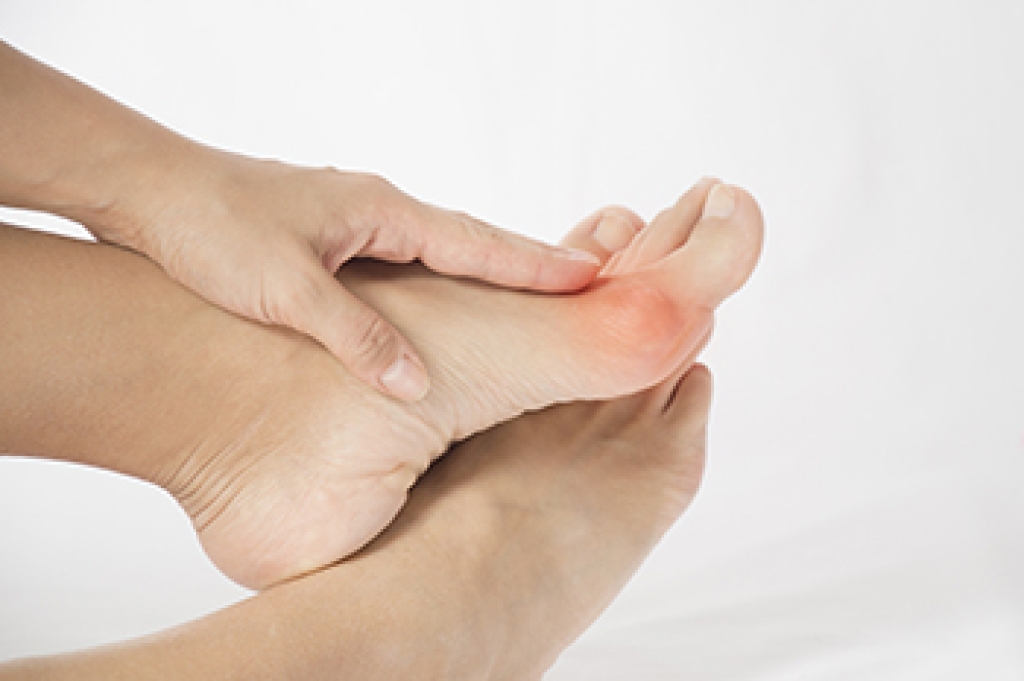
Bunions are painful bony bumps that usually develop on the inside of the foot at the joint of the big toe. As the deformity increases over time, it may become painful to walk and wear shoes. Women are more likely to exacerbate existing bunions since they often wear tight, narrow shoes that shift their toes together. Bunion pain can be relieved by wearing wider shoes with enough room for the toes.

Causes

  • Genetics – some people inherit feet that are more prone to bunion development
  • Inflammatory Conditions - rheumatoid arthritis and polio may cause bunion development

Symptoms

  • Redness and inflammation
  • Pain and tenderness
  • Callus or corns on the bump
  • Restricted motion in the big toe

In order to diagnose your bunion, your podiatrist may ask about your medical history, symptoms, and general health. Your doctor might also order an x-ray to take a closer look at your feet. Nonsurgical treatment options include orthotics, padding, icing, changes in footwear, and medication. If nonsurgical treatments don’t alleviate your bunion pain, surgery may be necessary.

If you have any questions, please feel free to contact one of our offices located in Columbia and Pulaski, TN . We offer the newest diagnostic and treatment technologies for all your foot care needs.
Read more about Bunions

Gout Pain Can Be Managed

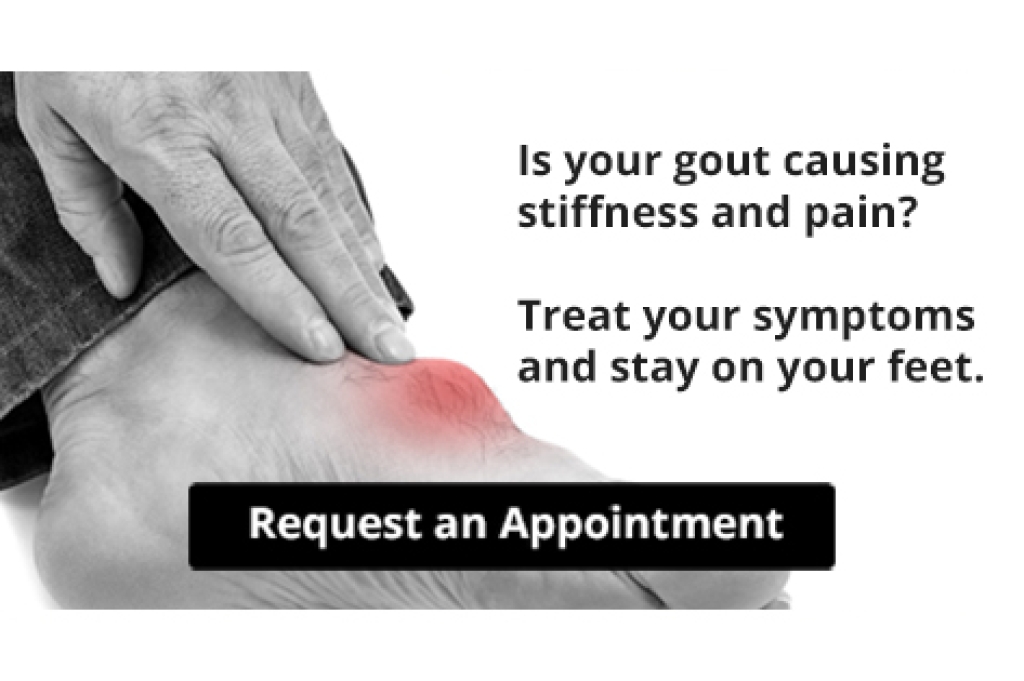
Gout is a painful, inflammatory form of arthritis. Those affected will typically feel an intense stiffness in the joints of their feet, particularly in the big toe. Schedule a visit to learn about how gout can be managed and treated.

Connect with us

our recent articles