

Effects of Having a Stress Fracture

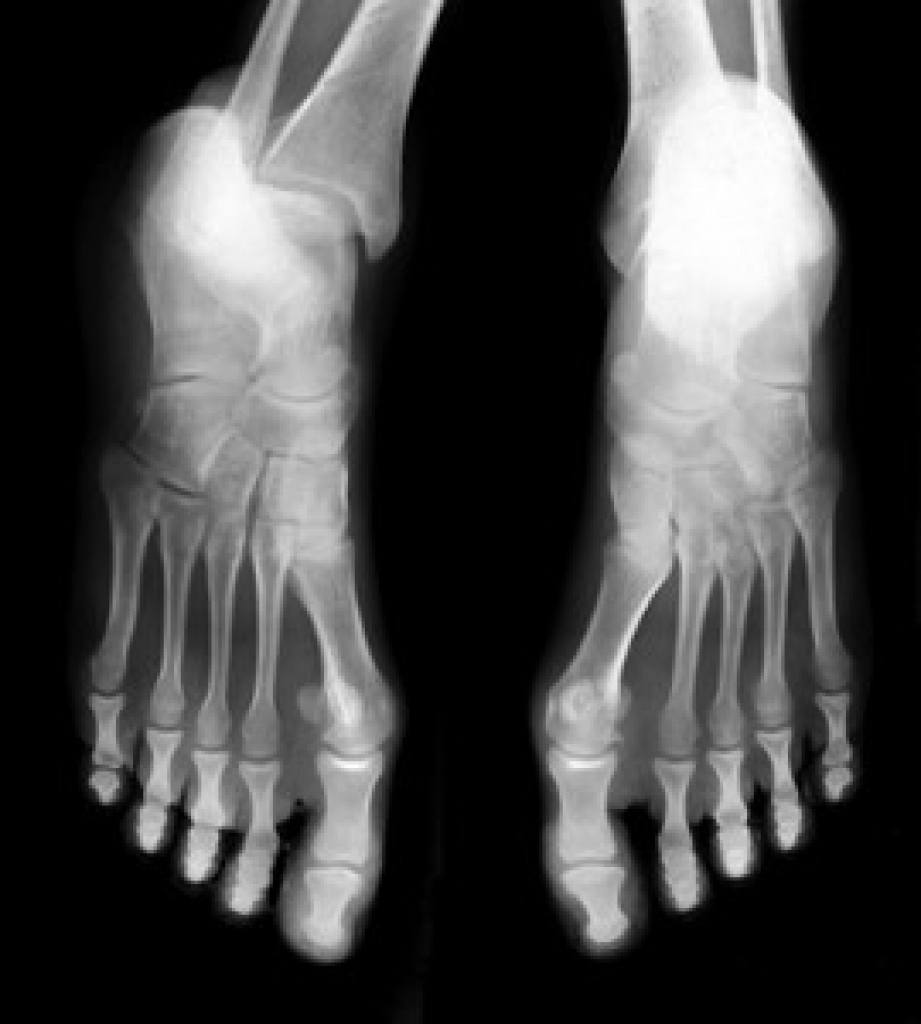
Stress fractures refer to having small breaks in the bone, commonly found in the second and third metatarsals of the foot. Stress fractures may not be obvious at first, however they tend to worsen overtime if not treated, and can be very painful. They typically occur due to overuse in a sporting activity, and can be prevented by gradually intensifying your workout and properly warming up before practicing an intense, high energy activity. It’s also important you wear footwear that gives your feet needed support, especially if you are running or jogging on uneven, or rugged surfaces. In terms of treatment, it is suggested that you get plenty of rest, treat the area with ice, and keep the foot elevated to avoid further swelling. We recommend you consult with a podiatrist for a proper diagnosis and an advised treatment plan.

Activities where too much pressure is put on the feet can cause stress fractures. To learn more, contact Brian D. Jackson, DPM from Neuhaus Foot and Ankle. Our doctor can provide the care you need to keep your pain free and on your feet.

Dealing with Stress Fractures of the Foot and Ankle

Stress fractures occur in the foot and ankle when muscles in these areas weaken from too much or too little use.  The feet and ankles then lose support when walking or running from the impact of the ground. Since there is no protection, the bones receive the full impact of each step. Stress on the feet can cause cracks to form in the bones, thus creating stress fractures.

What Are Stress Fractures?

Stress fractures occur frequently in individuals whose daily activities cause great impact on the feet and ankles. Stress factors are most common among:

  • Runners                                
  • People affected with Osteoporosis
  • Tennis or basketball players
  • Gymnasts
  • High impact workouts

Symptoms

Pain from the fractures occur in the area of the fractures and can be constant or intermittent. It will often cause sharp or dull pain with swelling and tenderness. Engaging in any kind of activity which involves high impact will aggravate pain.

If you have any questions please contact one of our offices located in Columbia and Pulaski, TN . We offer the newest diagnostic and treatment technologies for all your foot and ankle needs.
Read more about Dealing with Stress Fractures of the Foot and Ankle

Who Does Sever’s Disease Affect?

Teenagers and children who actively participate in running and jumping sporting activities may be familiar with Sever’s disease. This condition affects the growth plate in the heel, and it occurs as a result of the bones, muscles, and tendons growing at different rates. The symptoms that are typically associated with this condition can consist of walking on tiptoes, pain when the heel is squeezed, and it may be difficult to walk upon arising in the morning. Moderate relief may be felt when the affected foot is elevated, and it may help to wear shoe inserts which can provide additional support. If your child has developed Sever’s disease, it is advised that you consult with a podiatrist who can guide your child toward proper treatment.

Sever's disease often occurs in children and teens. If your child is experiencing foot or ankle pain, see Brian D. Jackson, DPM from Neuhaus Foot and Ankle. Our doctor can treat your child’s foot and ankle needs.

Sever’s Disease

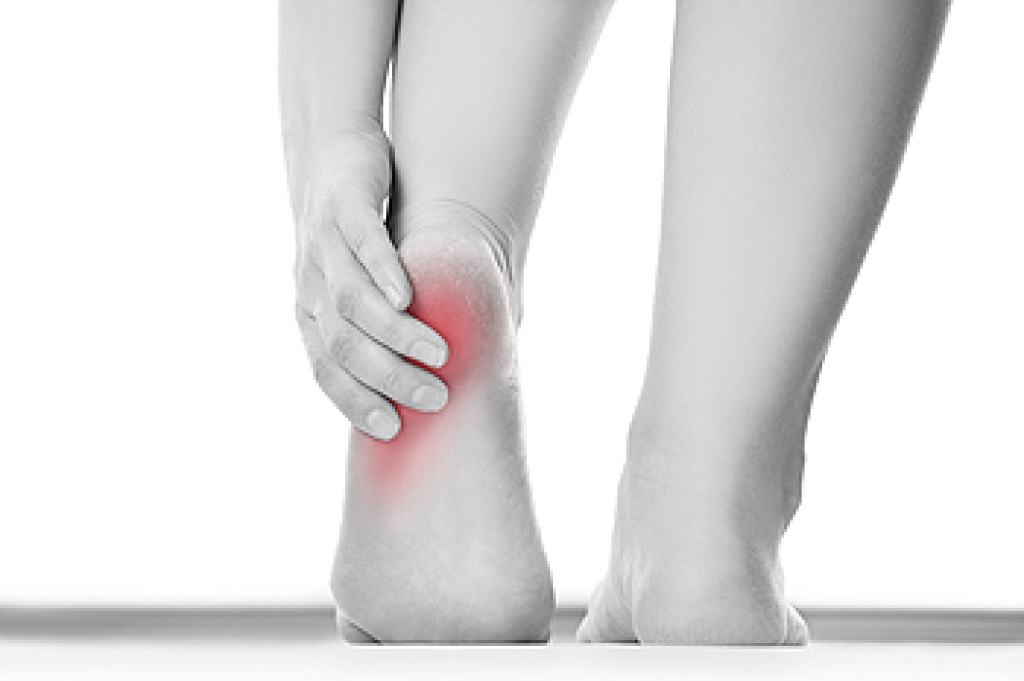
Sever’s disease is also known as calcaneal apophysitis, which is a medical condition that causes heel pain I none or both feet. The disease is known to affect children between the ages of 8 and 14.

Sever’s disease occurs when part of the child’s heel known as the growth plate (calcaneal epiphysis) is attached to the Achilles tendon. This area can suffer injury when the muscles and tendons of the growing foot do not keep pace with bone growth. Therefore, the constant pain which one experiences at the back of the heel will make the child unable to put any weight on the heel. The child is then forced to walk on their toes.

Symptoms

Acute pain – Pain associated with Sever’s disease is usually felt in the heel when the child engages in physical activity such as walking, jumping and or running.

Highly active – Children who are very active are among the most susceptible in experiencing Sever’s disease, because of the stress and tension placed on their feet.

If you have any questions, please feel free to contact one of our offices located in Columbia and Pulaski, TN . We offer the newest diagnostic and treatment technologies for all your foot care needs.

Read more about Sever's Disease

How Do Bunions Form?

Bunions can arise for a number of different reasons. Some factors that may lead to one getting a bunion include inheriting a bunion tendency, commonly wearing ill-fitting shoes such as high heels, and having rheumatoid arthritis. Other reasons may include birth deformities as well as foot stresses or injuries. A bulging, bony bump on the base of the big toe is a key indicator that you might have a bunion. Along with having a bony bump, swelling, redness, and soreness are additional symptoms that may come with this foot condition. Corns or calluses may also form due to the toes rubbing against each other. If you are experiencing continuous foot pain or decreased mobility of your big toe, we recommend you meet with a podiatrist for a proper diagnosis and advised treatment plan.

If you are suffering from bunions, contact Brian D. Jackson, DPM of Neuhaus Foot and Ankle. Our doctor can provide the care you need to keep you pain-free and on your feet.

What Is a Bunion?

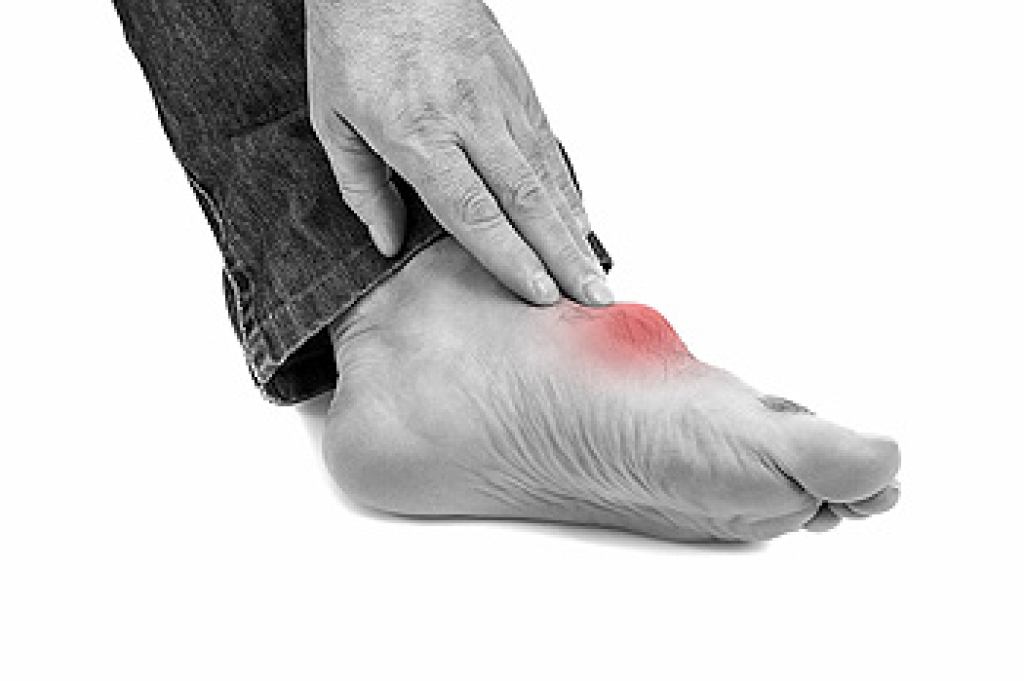
A bunion is formed of swollen tissue or an enlargement of boney growth, usually located at the base joint of the toe that connects to the foot. The swelling occurs due to the bones in the big toe shifting inward, which impacts the other toes of the foot. This causes the area around the base of the big toe to become inflamed and painful.

Why Do Bunions Form?

Genetics – Susceptibility to bunions are often hereditary

Stress on the feet – Poorly fitted and uncomfortable footwear that places stress on feet, such as heels, can worsen existing bunions

How Are Bunions Diagnosed?

Podiatrists often perform two tests – blood tests and x-rays – when trying to diagnose bunions, especially in the early stages of development. Blood tests help determine if the foot pain is being caused by something else, such as arthritis, while x-rays provide a clear picture of your bone structure to your provider.

How Are Bunions Treated?

  • Refrain from wearing heels or similar shoes that cause discomfort
  • Select wider shoes that can provide more comfort and reduce pain
  • Anti-inflammatory and pain management drugs
  • Orthotics or foot inserts
  • Surgery

If you have any questions, please feel free to contact one of our offices located in Columbia and Pulaski, TN . We offer the newest diagnostic and treatment technologies for all your foot care needs.

Read more about Bunions

What is an Ingrown Toenail?

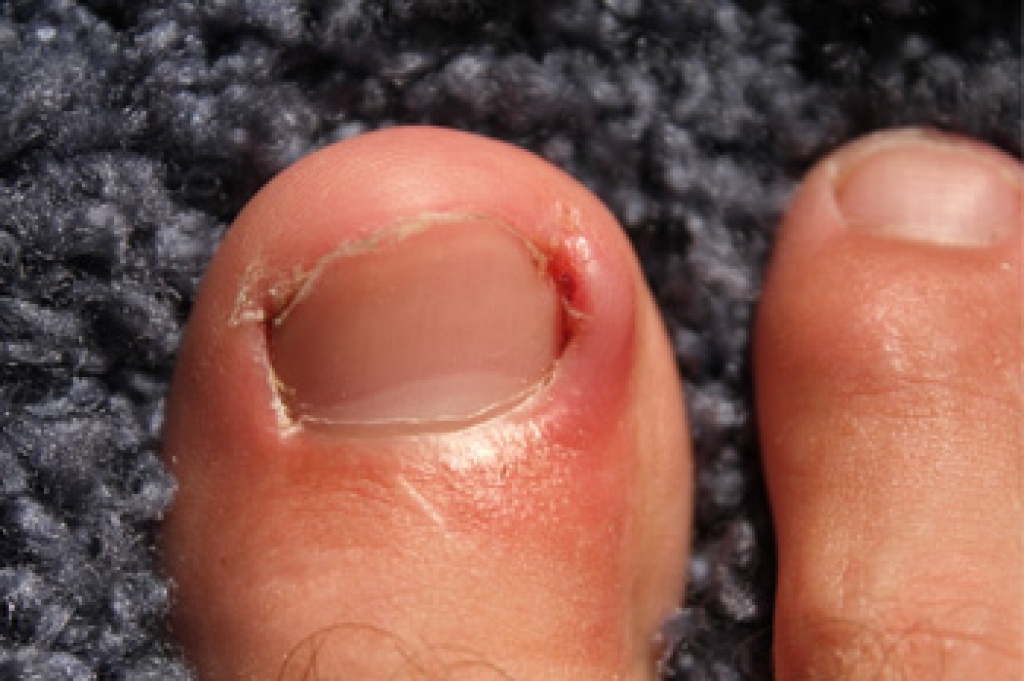
The medical ailment that is known as an ingrown toenail can occur as a result of the outer edges of the nail growing into the surrounding skin. This typically affects the big toe, and common symptoms can include pain and discomfort, in addition to swelling and redness. In severe cases, you may notice a discharge that comes from the nail. If this occurs, it’s important that your promptly seek treatment, as it may help to prevent an infection. Mild relief can be found by soaking the affected toe in warm water several times throughout the day, followed by placing a piece of cotton in the corner of the nail, which may help to lift the nail. If the ingrown toenail is causing constant pain, and appears red and swollen for an extended period of time, it is advised that you seek the professional advice of a podiatrist who can help you to manage this condition.

Ingrown toenails can become painful if they are not treated properly. For more information about ingrown toenails, contact Brian D. Jackson, DPM of Neuhaus Foot and Ankle. Our doctor can provide the care you need to keep you pain-free and on your feet.

Ingrown Toenails

Ingrown toenails occur when a toenail grows sideways into the bed of the nail, causing pain, swelling, and possibly infection.

Causes

  • Bacterial infections
  • Improper nail cutting such as cutting it too short or not straight across
  • Trauma to the toe, such as stubbing, which causes the nail to grow back irregularly
  • Ill-fitting shoes that bunch the toes too close together
  • Genetic predisposition

Prevention

Wearing proper fitting shoes and using proper cutting techniques will also help decrease your risk of developing ingrown toenails.

Treatment

Ingrown toenails are a very treatable foot condition. In minor cases, soaking the affected area in salt or antibacterial soaps will not only help with the ingrown nail itself, but also help prevent any infections from occurring. In more severe cases, surgery is an option. In either case, speaking to your podiatrist about this condition will help you get a better understanding of specific treatment options that are right for you.

If you have any questions, please feel free to contact one of our offices located in Columbia and Pulaski, TN . We offer the newest diagnostic and treatment technologies for all your foot care needs.

Read more about Ingrown Toenail Care

Have I Broken My Toe?

Common causes of a broken toe typically include a heavy object falling on one or more of your toes, or stubbing your toe against a piece of furniture. The affected toe may look swollen, bruised, and can be difficult to walk on. If the fracture is severe, the toe may look crooked and deformed, and this may cause severe pain and discomfort. Patients who have broken toes may choose to use buddy taping as a form of treatment. This method involves taping the broken toe to an adjacent toe, and can be effective in providing the stability that is necessary as the healing process occurs. After a proper diagnosis is performed, which typically involves having an X-ray taken, treatment can begin. If you have broken your toe, it is advised that you consult with a podiatrist who can help you to effectively manage this type of fracture.

A broken toe can be very painful and lead to complications if not properly fixed. If you have any concerns about your feet, contact Brian D. Jackson, DPM from Neuhaus Foot and Ankle. Our doctor will treat your foot and ankle needs.

What to Know About a Broken Toe

Although most people try to avoid foot trauma such as banging, stubbing, or dropping heavy objects on their feet, the unfortunate fact is that it is a common occurrence. Given the fact that toes are positioned in front of the feet, they typically sustain the brunt of such trauma. When trauma occurs to a toe, the result can be a painful break (fracture).

Symptoms of a Broken Toe

  • Throbbing pain
  • Swelling
  • Bruising on the skin and toenail
  • The inability to move the toe
  • Toe appears crooked or disfigured
  • Tingling or numbness in the toe

Generally, it is best to stay off of the injured toe with the affected foot elevated.

Severe toe fractures may be treated with a splint, cast, and in some cases, minor surgery. Due to its position and the pressure it endures with daily activity, future complications can occur if the big toe is not properly treated.

If you have any questions, please feel free to contact one of our offices located in Columbia and Pulaski, TN . We offer the newest diagnostic and treatment technologies for all your foot care needs.

Read more about What to Know About a Broken Toe
Connect with us

our recent articles