

The Right Shoes to Wear for Arthritis

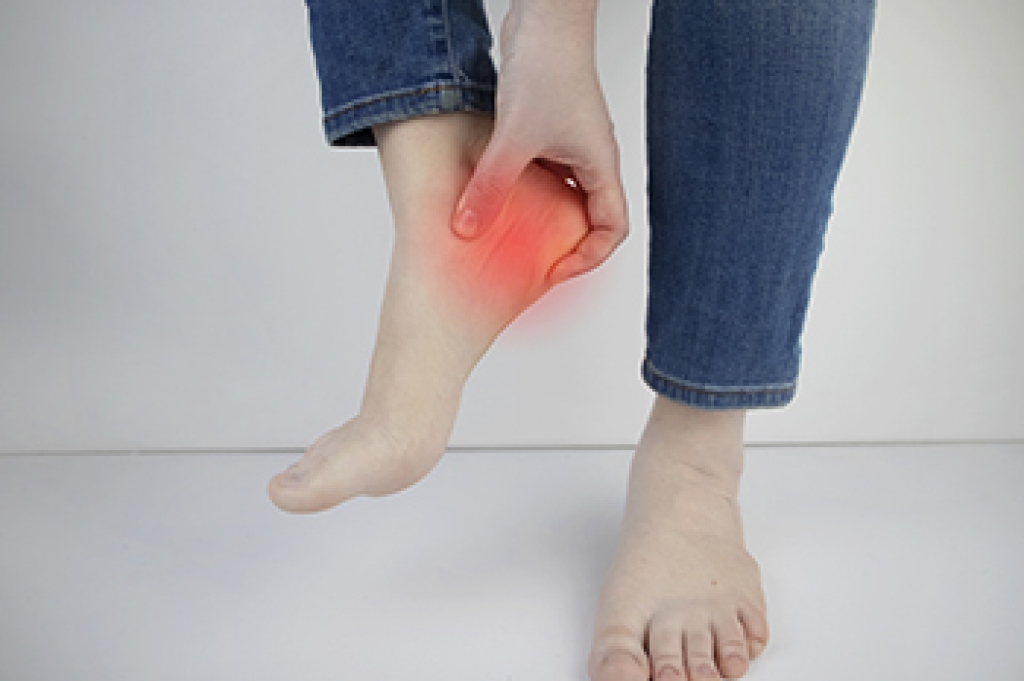
Arthritis is an inflammatory disease that causes pain in the joints. Because each foot consists of 33 joints that can become inflamed, it may be helpful to find shoes that help to provide some relief from arthritic foot pain. Experts recommend wearing a shoe with a sturdy sole, as those with a softer sole may increase the pressure on the heel with each step. It is beneficial to look for a shoe that bends only near the toes and does not fold in half when squeezed. Further, avoiding shoes with narrow or pointed-toe boxes is thought to be the best choice. In addition, shoes with removable insoles are recommended, as this can make it easier to add custom insoles if needed. These inserts can support weakened joints, improve mobility, and reduce pain. High-heeled shoes or flats are not recommended for people with arthritis. Instead, finding shoes with a slight incline from toe to heel is thought to be better. For more information on selecting footwear for arthritic feet, it is suggested that you consult a podiatrist.

Arthritis can be a difficult condition to live with. If you are seeking treatment, contact Brian D. Jackson, DPM from Neuhaus Foot and Ankle. Our doctor can provide the care you need to keep you pain-free and on your feet.

Arthritic Foot Care  

Arthritis is a joint disorder that involves the inflammation of different joints in your body, such as those in your feet. Arthritis is often caused by a degenerative joint disease and causes mild to severe pain in all affected areas. In addition to this, swelling and stiffness in the affected joints can also be a common symptom of arthritis.

In many cases, wearing ill-fitting shoes can worsen the effects and pain of arthritis. Wearing shoes that have a lower heel and extra room can help your feet feel more comfortable. In cases of rheumatoid arthritis, the arch in your foot may become problematic. Buying shoes with proper arch support that contour to your feet can help immensely.

Alleviating Arthritic Pain

  • Exercises that stretch the foot can prevent further pain and injury and increase mobility
  • Most of the pain can be alleviated with anti-inflammatory drugs, heat, and topical medications
  • Massages can help temporarily alleviate pain.

It is best to see your doctor for the treatment that is right for your needs and symptoms. Conditions vary, and a podiatrist can help you determine the right method of care for your feet.

If you have any questions please feel free to contact one of our offices located in Columbia and Pulaski, TN . We offer the newest diagnostic tools and technology to treat your foot and ankle needs.

Read more about Arthritic Foot Care

Foot Problems Caused by Diabetes

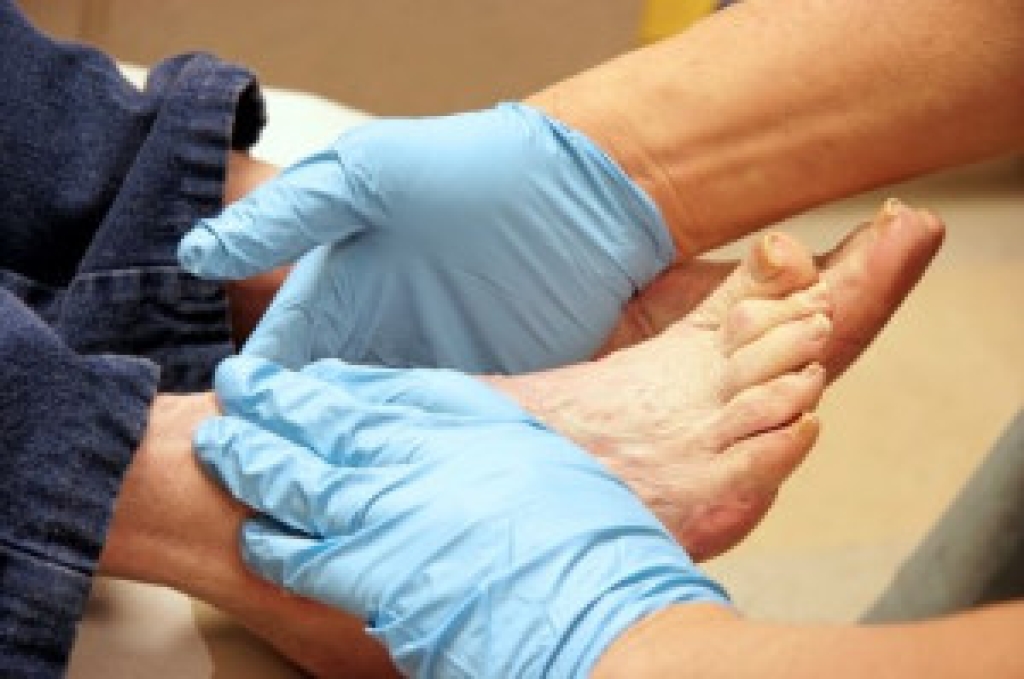
Diabetics are at extreme risk for a number of conditions that can affect the health of the lower extremities. Around 60 percent of diabetics develop a foot ulcer, brought about by peripheral nerve and vascular diseases. For that reason, a simple sore or slight wound on the feet can become a serious health threat. Loss of sensation in the feet and toes, caused by neuropathy, can make it difficult to notice a cut or sore. Constricted blood flow to the feet, caused by peripheral artery disease, can slow the healing process. If left unattended, even a tiny wound can become infected and turn into an open wound, or ulcer. As the untended ulcer continues to grow, tissue may die, and if left long enough can turn into gangrene. If the infection reaches the bone, loss of a limb then becomes a possibility. Diabetic foot ulcers are believed to be responsible for more hospital admissions than any other diabetes complication. The essentials to prevent this chain of events are a careful and regular routine of foot care and consistent regulation of insulin and blood sugar levels. Professional care from a podiatrist is suggested for any diabetic who struggles with such foot problems.  

Diabetic foot care is important in preventing foot ailments such as ulcers. If you are suffering from diabetes or have any other concerns about your feet, contact Brian D. Jackson, DPM from Neuhaus Foot and Ankle. Our doctor can provide the care you need to keep you pain-free and on your feet.

Diabetic Foot Care

Diabetes affects millions of people every year. The condition can damage blood vessels in many parts of the body, especially the feet. Because of this, taking care of your feet is essential if you have diabetes, and having a podiatrist help monitor your foot health is highly recommended.

The Importance of Caring for Your Feet

  • Routinely inspect your feet for bruises or sores.
  • Wear socks that fit your feet comfortably.
  • Wear comfortable shoes that provide adequate support.

Patients with diabetes should have their doctor monitor their blood levels, as blood sugar levels play such a huge role in diabetic care. Monitoring these levels on a regular basis is highly advised.

It is always best to inform your healthcare professional of any concerns you may have regarding your feet, especially for diabetic patients. Early treatment and routine foot examinations are keys to maintaining proper health, especially because severe complications can arise if proper treatment is not applied.

If you have any questions, please feel free to contact one of our offices located in Columbia and Pulaski, TN . We offer the newest diagnostic and treatment technologies for all your foot care needs.

Read more about How to Care for Diabetic Foot

Do Your Child's Feet Hurt?

Have your child's feet been examined lately? Healthy feet are happy feet. If your child is complaining of foot pain, it may be a sign of underlying problems.

Types of Ankle Surgery

Ankle surgery may be performed if the ankle has been severely injured, or if there is existing arthritis or torn ligaments. Ankle fusion is a type of surgery that has increased dramatically in recent years. This may follow any conservative treatments that may have failed, leaving surgery as the only option. A displaced ankle fracture may require a closed reduction procedure to be performed. This is done by aligning the bones from the outside of the ankle, which may produce severe pain during the procedure. If the bones cannot be manipulated from the outside, an open reduction can be done that uses screws or plates. This may be a common type of surgery among patients who have ankle instability. If you have ankle pain, it is suggested that you confer with a podiatrist who can determine if having ankle surgery is right for you. 

Foot surgery is sometimes necessary to treat a foot ailment. To learn more, contact Brian D. Jackson, DPM of Neuhaus Foot and Ankle. Our doctor will assist you with all of your foot and ankle needs.

When Is Surgery Necessary?

Foot and ankle surgery is generally reserved for cases in which less invasive, conservative procedures have failed to alleviate the problem. Some of the cases in which surgery may be necessary include:

  • Removing foot deformities like bunions and bone spurs
  • Severe arthritis that has caused bone issues
  • Cosmetic reconstruction

What Types of Surgery Are There?

The type of surgery you receive will depend on the nature of the problem you have. Some of the possible surgeries include:

  • Bunionectomy for painful bunions
  • Surgical fusion for realignment of bones
  • Neuropathy decompression surgery to treat nerve damage

Benefits of Surgery

Although surgery is usually a last resort, it can provide more complete pain relief compared to non-surgical methods and may allow you to finally resume full activity.

Surgical techniques have also become increasingly sophisticated. Techniques like endoscopic surgery allow for smaller incisions and faster recovery times.

If you have any questions, please feel free to contact one of our offices located in Columbia and Pulaski, TN . We offer the newest diagnostic and treatment technologies for all your foot care needs.

Read more about Foot Surgery
Connect with us

our recent articles