


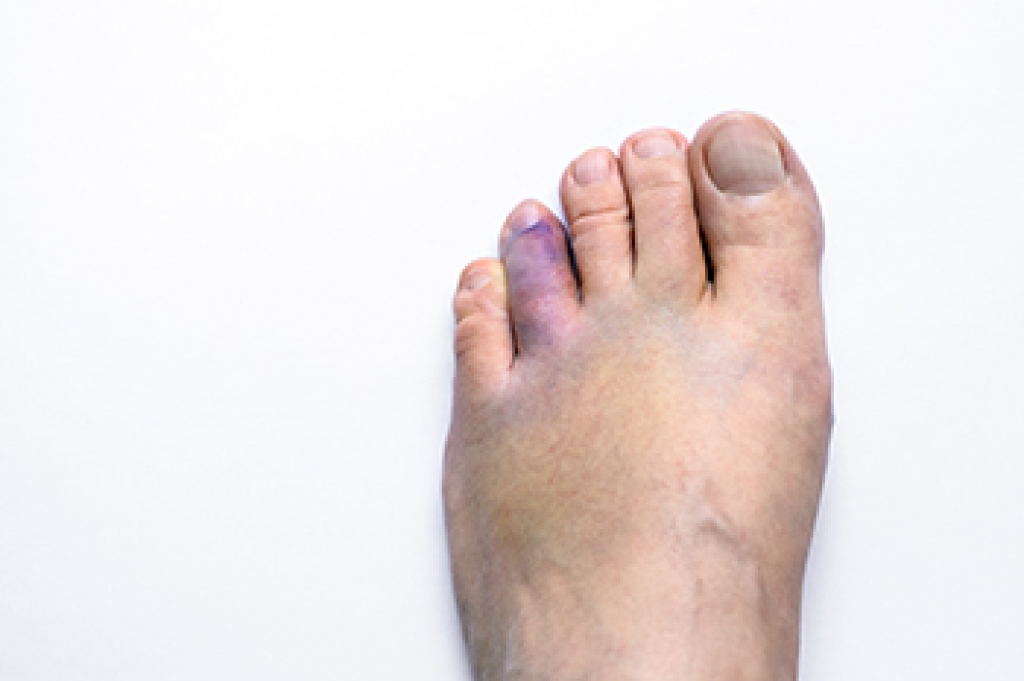
Treatment Options for Broken Toes

A broken, or fractured, toe occurs when one of the small bones in the toe cracks or breaks due to trauma or repeated stress. Proper treatment of a broken toe is important to ensure the bone heals in the correct position and to prevent long-term pain or deformity. A podiatrist will perform a physical examination and often order X-rays to confirm the diagnosis. This also determines whether the fracture is displaced, meaning the bone has shifted out of place. Stable fractures are commonly treated with protective taping to a neighboring toe, called buddy taping. Sometimes a stiff-soled shoe or walking boot will be used to limit motion. More severe fractures may require a realignment of the bone or surgery to insert a small pin for stability. If you have broken a toe, it is suggested that you make an appointment with a podiatrist for an exam, diagnosis, and treatment.

A broken toe can be very painful and lead to complications if not properly fixed. If you have any concerns about your feet, contact Brian D. Jackson, DPM from Neuhaus Foot and Ankle. Our doctor will treat your foot and ankle needs.

What to Know About a Broken Toe

Although most people try to avoid foot trauma such as banging, stubbing, or dropping heavy objects on their feet, the unfortunate fact is that it is a common occurrence. Given the fact that toes are positioned in front of the feet, they typically sustain the brunt of such trauma. When trauma occurs to a toe, the result can be a painful break (fracture).

Symptoms of a Broken Toe

  • Throbbing pain
  • Swelling
  • Bruising on the skin and toenail
  • The inability to move the toe
  • Toe appears crooked or disfigured
  • Tingling or numbness in the toe

Generally, it is best to stay off of the injured toe with the affected foot elevated.

Severe toe fractures may be treated with a splint, cast, and in some cases, minor surgery. Due to its position and the pressure it endures with daily activity, future complications can occur if the big toe is not properly treated.

If you have any questions, please feel free to contact one of our offices located in Columbia and Pulaski, TN . We offer the newest diagnostic and treatment technologies for all your foot care needs.

Read more about What to Know About a Broken Toe

Common Foot Injuries From Zumba

Zumba is a high-energy, dance-based workout that involves quick turns, jumps, and side-to-side movements, all of which can place stress on the feet and ankles. Common foot injuries from Zumba include ankle sprains, where ligaments that support the joint are stretched or torn, and stress fractures, which are small cracks in the bones caused by repeated impact. People may also develop plantar fasciitis, a painful condition involving inflammation of the thick band of tissue along the bottom of the foot. Rapid changes in direction can lead to muscle strains and joint instability, especially when movements are not well-coordinated. A podiatrist can evaluate foot alignment, assess movement patterns, and use imaging like X-rays to confirm injuries. Treatment options include bracing, custom orthotic devices, or surgery, depending on severity. If you have injured your foot or ankle from Zumba, it is suggested that you schedule an appointment with a podiatrist for appropriate treatment.

Exercising your feet regularly with the proper foot wear is a great way to prevent injuries and build strength. If you have any concerns about your feet, contact Brian D. Jackson, DPM from Neuhaus Foot and Ankle. Our doctor can provide the care you need to keep you pain-free and on your feet.

Exercise for Your Feet

Exercise for your feet can help you gain strength, mobility and flexibility in your feet. They say that strengthening your feet can be just as rewarding as strengthening another part of the body. Your feet are very important, and we often forget about them in our daily tasks. But it is because of our feet that are we able to get going and do what we need to. For those of us fortunate enough to not have any foot problems, it is an important gesture to take care of them to ensure good health in the long run.

Some foot health exercises can include ankle pumps, tip-toeing, toe rises, lifting off the floor doing reps and sets, and flexing the toes. It is best to speak with Our doctor to determine an appropriate regimen for your needs. Everyone’s needs and bodies are different, and the activities required to maintain strength in the feet vary from individual to individual. 

Once you get into a routine of doing regular exercise, you may notice a difference in your feet and how strong they may become.

If you have any questions, please feel free to contact one of our offices located in Columbia and Pulaski, TN . We offer the newest diagnostic and treatment technologies for all your foot care needs.
Read more about Exercise for Your Feet

Facts About Achilles Tendon Pain

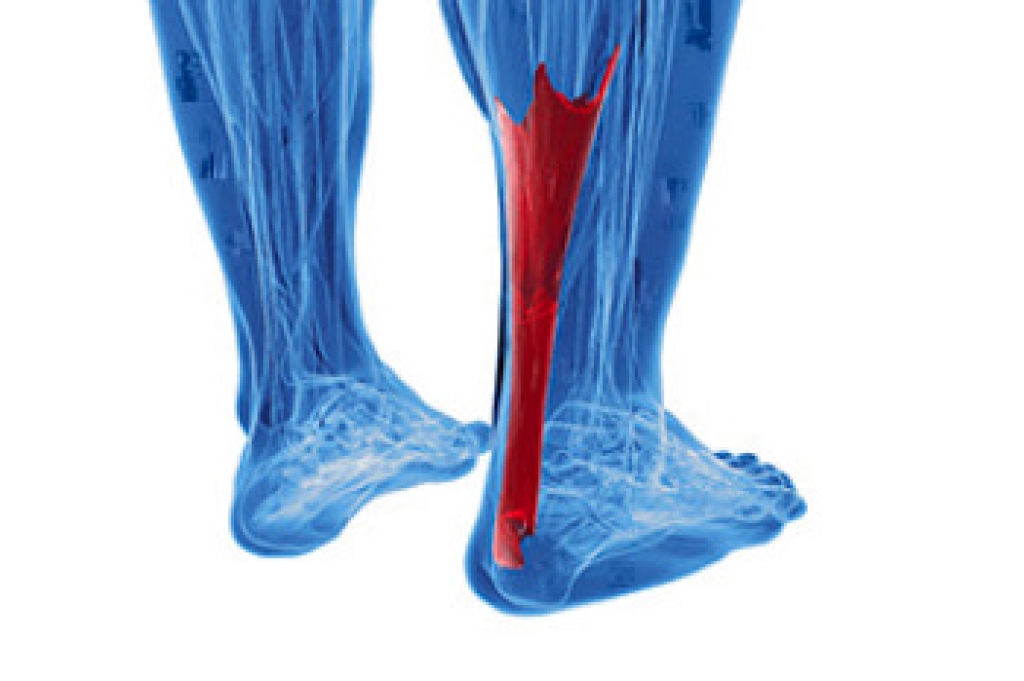
Achilles tendonitis is a condition that affects the large tendon at the back of the ankle that connects the calf muscles to the heel bone. It develops when the tendon becomes irritated from repeated strain or overuse during activities like walking, running, or jumping. Symptoms include pain, stiffness, swelling, and difficulty pushing off the foot, especially after rest. There are two types, based on where the tendon is affected, either in the middle or near the heel. Risk factors include tight calf muscles, sudden increases in activity, aging, and wearing poor-fitting shoes. A podiatrist can evaluate the tendon, check foot structure, and order imaging to confirm the diagnosis. Treatment may include bracing, orthotics, or surgery if the tendon is damaged. If you have symptoms of Achilles tendonitis, it is suggested that you make an appointment with a podiatrist for a diagnosis and treatment.

Achilles tendon injuries need immediate attention to avoid future complications. If you have any concerns, contact Brian D. Jackson, DPM of Neuhaus Foot and Ankle. Our doctor can provide the care you need to keep you pain-free and on your feet.

What Is the Achilles Tendon?

The Achilles tendon is a tendon that connects the lower leg muscles and calf to the heel of the foot. It is the strongest tendon in the human body and is essential for making movement possible. Because this tendon is such an integral part of the body, any injuries to it can create immense difficulties and should immediately be presented to a doctor.

What Are the Symptoms of an Achilles Tendon Injury?

There are various types of injuries that can affect the Achilles tendon. The two most common injuries are Achilles tendinitis and ruptures of the tendon.

Achilles Tendinitis Symptoms

  • Inflammation
  • Dull to severe pain
  • Increased blood flow to the tendon
  • Thickening of the tendon

Rupture Symptoms

  • Extreme pain and swelling in the foot
  • Total immobility

Treatment and Prevention

Achilles tendon injuries are diagnosed by a thorough physical evaluation, which can include an MRI. Treatment involves rest, physical therapy, and in some cases, surgery. However, various preventative measures can be taken to avoid these injuries, such as:

  • Thorough stretching of the tendon before and after exercise
  • Strengthening exercises like calf raises, squats, leg curls, leg extensions, leg raises, lunges, and leg presses

If you have any questions please feel free to contact one of our offices located in Columbia and Pulaski, TN . We offer the newest diagnostic tools and technology to treat your foot and ankle needs.

Read more about What are Achilles Tendon Injuries

Why People Visit a Podiatrist

A podiatrist is a medical specialist focused on diagnosing and treating conditions of the foot, ankle, and lower extremities. People visit a podiatrist for persistent foot pain, injuries, or changes in skin and nails. Diabetes increases the risk of nerve damage and poor circulation, making regular foot care by a podiatrist essential to deal with ulcers and infections. Foot arthritis can cause stiffness, swelling, and reduced mobility that benefit from expert evaluation and treatment. Joint pain in the foot and ankle may result from overuse, injury, or structural problems that require proper management. Heel pain is often linked to plantar fasciitis and can worsen without care. Additionally, ingrown toenails can become painful and infected, if not treated properly. If you have any of the above symptoms or other foot and ankle issues, it is suggested that you schedule an appointment with a podiatrist who can accurately diagnose and treat various foot and ankle conditions.

If you are dealing with pain in your feet and ankles, you may want to seek help from a podiatrist. Feel free to contact Brian D. Jackson, DPM from Neuhaus Foot and Ankle. Our doctor can provide the care you need to keep you pain-free and on your feet.

What Is a Podiatrist?

A podiatrist diagnoses and treats conditions of the foot, ankle, and related structures of the leg. Your podiatrist may specialize in a certain field such as sports medicine, wound care, pediatrics, and diabetic care. Podiatrists have the ability to become board certified through training, clinical experience, and then taking an exam.

What Do Podiatrists Do?

On a daily basis, a podiatrist may perform the following activities:

  • Diagnose foot ailments such as ulcers, tumors, fractures, etc.
  • Use innovative methods to treat conditions
  • Use corrective orthotics, casts, and strappings to correct deformities
  • Correct walking patterns and balance
  • Provide individual consultations to patients

It is very important that you take care of your feet. It’s easy to take having healthy feet for granted, however foot problems tend to be among the most common health conditions. Podiatrists can help diagnose and treat a variety of feet related conditions, so it is crucial that you visit one if you need assistance.

If you have any questions, please feel free to contact one of our offices located in Columbia and Pulaski, TN . We offer the newest diagnostic and treatment technologies for all your foot care needs.

Read more about What is a Podiatrist?

Wounds That Don't Heal Need to Be Checked

Your feet are covered most of the day. If you're diabetic, periodic screening is important for good health. Numbness is often a sign of diabetic foot and can mask a sore or wound.

Connect with us

our recent articles