


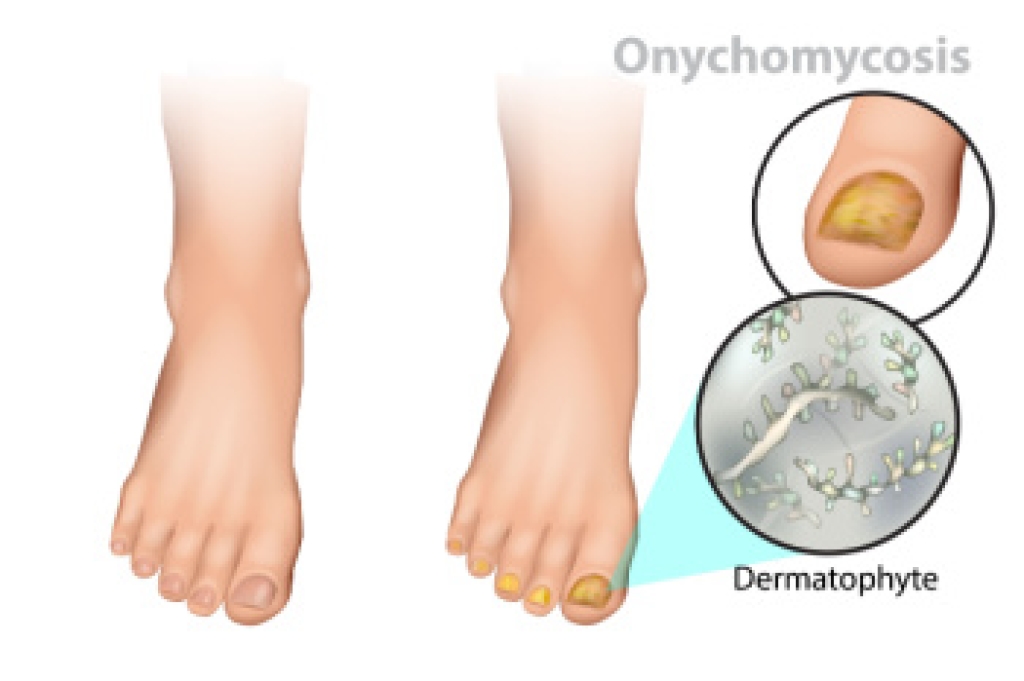
Treatment Choices for Toenail Fungus

Toenail fungus, also called onychomycosis, often requires professional treatment to fully resolve. Your podiatrist may suggest oral medications, topical treatments, or laser therapy, depending on the severity of the infection. Oral antifungal pills tend to be the most effective but can cause side effects like an upset stomach or liver concerns. Topical solutions avoid these risks but often take longer to show results and may not work for deep infections. Laser treatments offer a non-invasive option, although results can vary. Your podiatrist will consider your health history and the extent of the infection when recommending a treatment plan. Treatment success also depends on how carefully you follow instructions, as missing medication doses or stopping early can lead to failure. If you have developed toenail fungus, it is suggested you visit a podiatrist to discuss safe and effective treatment options.

For more information about treatment, contact Brian D. Jackson, DPM of Neuhaus Foot and Ankle. Our doctor can provide the care you need to keep you pain-free and on your feet.

Toenail Fungus Treatment

Toenail fungus is a condition that affects many people and can be especially hard to get rid of. Fortunately, there are several methods to go about treating and avoiding it.

Antifungals & Deterrence

Oral antifungal medicine has been shown to be effective in many cases. It is important to consult with a podiatrist to determine the proper regiment for you, or potentially explore other options.

Applying foot powder on the feet and shoes helps keep the feet free of moisture and sweat.

Sandals or open toed shoes – Wearing these will allow air movement and help keep feet dry. They also expose your feet to light, which fungus cannot tolerate. Socks with moisture wicking material also help as well.

If you have any questions please contact one of our offices located in Columbia and Pulaski, TN . We offer the newest diagnostic and treatment technologies for all your foot and ankle needs.
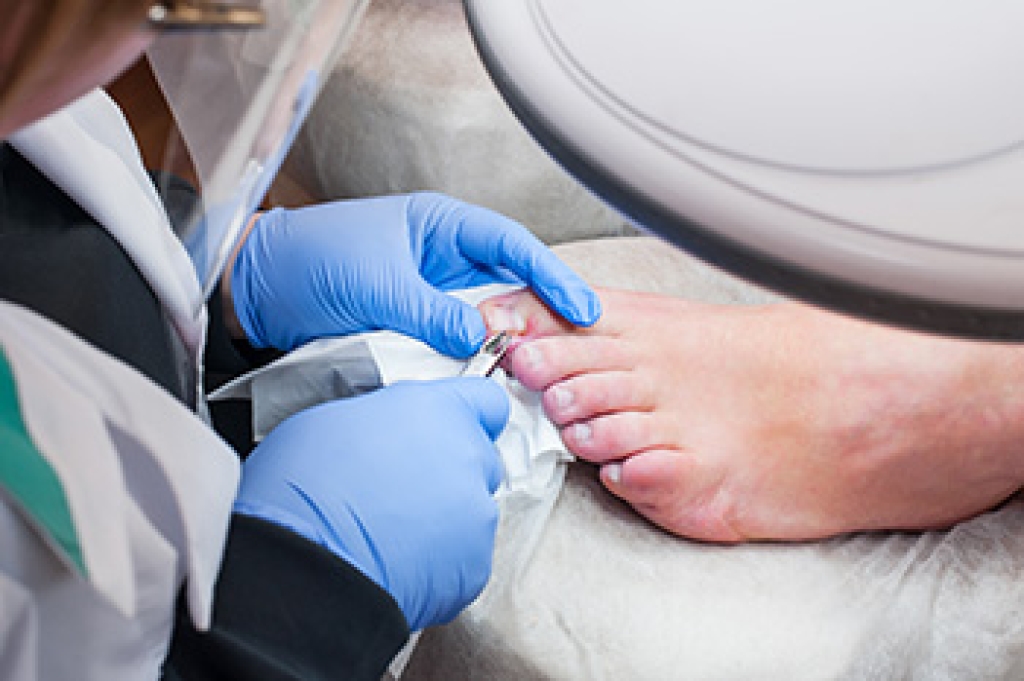
Read more about Toenail Fungus

Surgery for Ingrown Toenails

Surgery for ingrown toenails may be recommended when pain, swelling, or infection surrounding the nail does not improve or recurs frequently. An ingrown toenail develops when the edge of the nail grows into the surrounding skin, most often affecting the big toe. Causes include improper nail trimming, toe injuries, or pressure from wearing tight shoes. When conservative care fails or the condition is worsened by diabetes or circulation problems, a podiatrist may suggest surgery to remove part or all of the ingrown toenail. After numbing the toe, the ingrown section is trimmed away, and, in some cases, the nail matrix is treated with a chemical or heated device to prevent regrowth. This helps relieve pressure and reduces the chance of the nail growing inward again. Although regrowth can take months, the procedure is generally effective. If you have a problematic ingrown toenail, it is suggested that you schedule an appointment with a podiatrist for an exam and appropriate treatment plan.

Foot surgery is sometimes necessary to treat a foot ailment. To learn more, contact Brian D. Jackson, DPM of Neuhaus Foot and Ankle. Our doctor will assist you with all of your foot and ankle needs.

When Is Surgery Necessary?

Foot and ankle surgery is generally reserved for cases in which less invasive, conservative procedures have failed to alleviate the problem. Some of the cases in which surgery may be necessary include:

  • Removing foot deformities like bunions and bone spurs
  • Severe arthritis that has caused bone issues
  • Cosmetic reconstruction

What Types of Surgery Are There?

The type of surgery you receive will depend on the nature of the problem you have. Some of the possible surgeries include:

  • Bunionectomy for painful bunions
  • Surgical fusion for realignment of bones
  • Neuropathy decompression surgery to treat nerve damage

Benefits of Surgery

Although surgery is usually a last resort, it can provide more complete pain relief compared to non-surgical methods and may allow you to finally resume full activity.

Surgical techniques have also become increasingly sophisticated. Techniques like endoscopic surgery allow for smaller incisions and faster recovery times.

If you have any questions, please feel free to contact one of our offices located in Columbia and Pulaski, TN . We offer the newest diagnostic and treatment technologies for all your foot care needs.

Read more about Foot Surgery

Signs You May Have an Ingrown Toenail

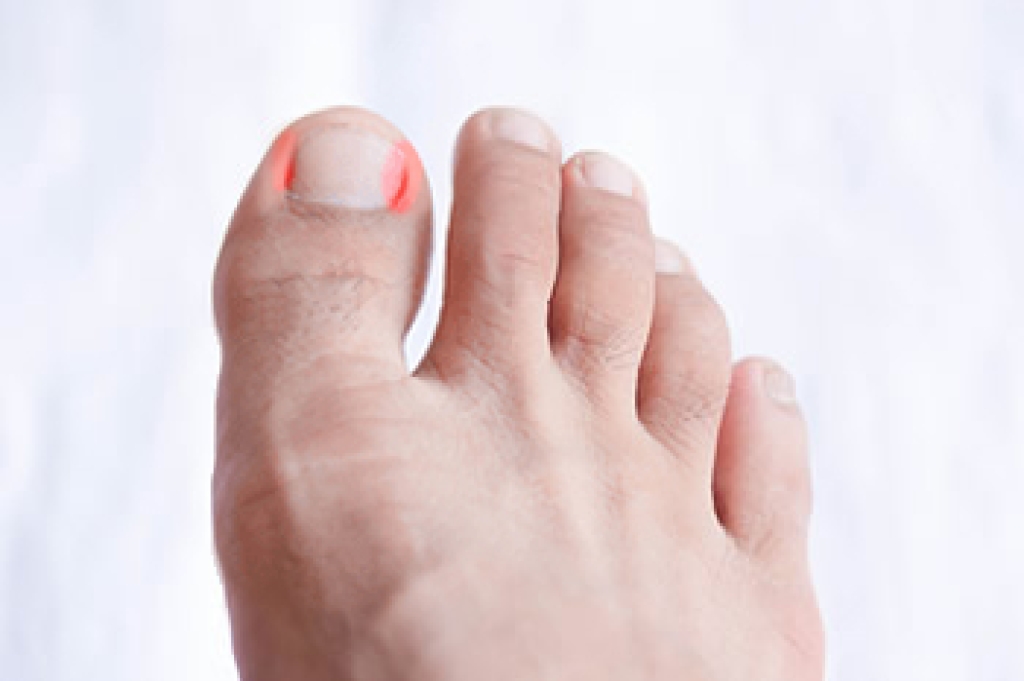
An ingrown toenail develops when the edge of the nail grows into the surrounding skin instead of over it. This often causes tenderness, swelling, and redness along one or both sides of the nail, most commonly on the big toe. In the early stages, the area may feel sore when pressure is applied, especially while wearing shoes. As it progresses, the skin may become inflamed or even show signs of infection such as warmth, pus, or increased pain. Trimming nails too short or at an angle, wearing tight footwear, or stubbing the toe can contribute to the problem. Left untreated, an ingrown toenail may worsen and lead to further complications. If you notice ongoing pain, swelling, or signs of infection near the edge of your toenail, it is suggested that you see a podiatrist to receive proper care and avoid further irritation.

Ingrown toenails can become painful if they are not treated properly. For more information about ingrown toenails, contact Brian D. Jackson, DPM of Neuhaus Foot and Ankle. Our doctor can provide the care you need to keep you pain-free and on your feet.

Ingrown Toenails

Ingrown toenails occur when a toenail grows sideways into the bed of the nail, causing pain, swelling, and possibly infection.

Causes

  • Bacterial infections
  • Improper nail cutting such as cutting it too short or not straight across
  • Trauma to the toe, such as stubbing, which causes the nail to grow back irregularly
  • Ill-fitting shoes that bunch the toes too close together
  • Genetic predisposition

Prevention

Wearing proper fitting shoes and using proper cutting techniques will also help decrease your risk of developing ingrown toenails.

Treatment

Ingrown toenails are a very treatable foot condition. In minor cases, soaking the affected area in salt or antibacterial soaps will not only help with the ingrown nail itself, but also help prevent any infections from occurring. In more severe cases, surgery is an option. In either case, speaking to your podiatrist about this condition will help you get a better understanding of specific treatment options that are right for you.

If you have any questions, please feel free to contact one of our offices located in Columbia and Pulaski, TN . We offer the newest diagnostic and treatment technologies for all your foot care needs.

Read more about Ingrown Toenails

Early Clues That Arthritis May Be Affecting Your Feet

Arthritis often begins with subtle changes in the feet that may be easy to overlook. One of the earliest signs is stiffness, particularly in the morning or after periods of rest. This stiffness may be accompanied by mild swelling or tenderness in the joints of the toes or midfoot. Some people notice a gradual loss of flexibility or difficulty walking comfortably. Redness or warmth surrounding the joint may also develop as inflammation progresses. Over time, everyday activities such as climbing stairs or standing for long periods of time may become more difficult. Pain that increases with activity and eases with rest can also suggest the beginning of arthritis. Identifying these early symptoms is important for managing the condition before it worsens. If you are noticing changes in how your feet feel or function, it is suggested that you schedule an appointment with a podiatrist for a diagnosis and appropriate treatment.

Arthritis can be a difficult condition to live with. If you are seeking treatment, contact Brian D. Jackson, DPM from Neuhaus Foot and Ankle. Our doctor can provide the care you need to keep you pain-free and on your feet.

Arthritic Foot Care  

Arthritis is a joint disorder that involves the inflammation of different joints in your body, such as those in your feet. Arthritis is often caused by a degenerative joint disease and causes mild to severe pain in all affected areas. In addition to this, swelling and stiffness in the affected joints can also be a common symptom of arthritis.

In many cases, wearing ill-fitting shoes can worsen the effects and pain of arthritis. Wearing shoes that have a lower heel and extra room can help your feet feel more comfortable. In cases of rheumatoid arthritis, the arch in your foot may become problematic. Buying shoes with proper arch support that contour to your feet can help immensely.

Alleviating Arthritic Pain

  • Exercises that stretch the foot can prevent further pain and injury and increase mobility
  • Most of the pain can be alleviated with anti-inflammatory drugs, heat, and topical medications
  • Massages can help temporarily alleviate pain.

It is best to see your doctor for the treatment that is right for your needs and symptoms. Conditions vary, and a podiatrist can help you determine the right method of care for your feet.

If you have any questions please feel free to contact one of our offices located in Columbia and Pulaski, TN . We offer the newest diagnostic tools and technology to treat your foot and ankle needs.

Read more about Arthritic Foot Care

Are You Suffering From Ingrown Toenails?

If left untreated, an ingrown toenail can lead to more serious concerns, such as an infection. Knowing proper nail care can help in the prevention of an ingrown toenail. Give us a call, and get treated!

Connect with us

our recent articles