


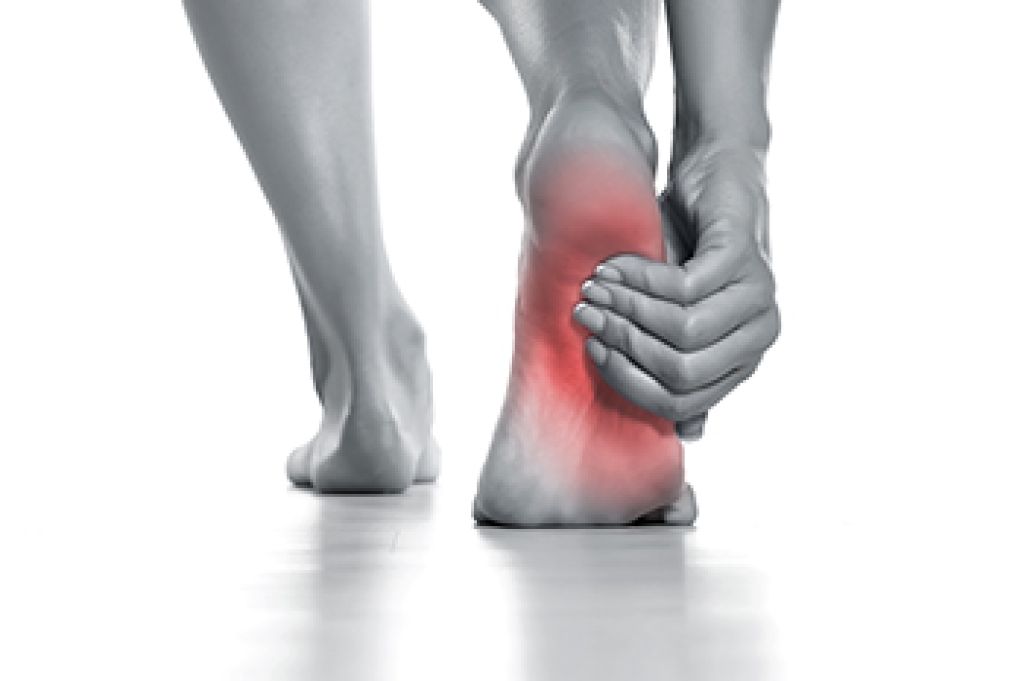
Facts About Heel Pad Syndrome

Heel pad syndrome develops when the natural fat pad beneath the heel becomes irritated, worn, or less able to absorb impact. This cushioning normally protects the heel bone from pressure during walking and running. When the heel pad does not provide enough protection, each step can feel uncomfortable. A common symptom is deep pain in the middle of the heel. Many people describe the sensation as feeling like a bruise on the bottom of the foot. Pain may become more noticeable after standing or walking on hard surfaces.

Several factors increase the risk of heel pad syndrome. Age is an important factor because the heel pad can become thinner and less flexible over time. Foot structure may also affect how pressure is distributed during movement. Running, prolonged standing, and walking on hard surfaces can repeatedly load the heel pad. Wearing unsupportive footwear may further increase pressure and reduce natural cushioning.


Symptoms can vary depending on how much stress the heel experiences. Deep heel pain may appear after exercise or a long day on your feet. The center of the heel may feel tender when pressed, especially after repeated impact. Rest may reduce symptoms, but pain can return when normal activity resumes. Recognizing these changes early helps prevent ongoing irritation and makes it easier to protect the heel during daily activities.


A podiatrist will examine the heel and determine whether heel pad syndrome is causing your pain. The evaluation may include checking tenderness, foot structure, and footwear. Imaging may be recommended when another heel problem needs to be ruled out. Treatment options include wearing cushioned footwear, heel cups, and methods to reduce pressure. A podiatrist may also recommend gradual changes to exercise and daily routines while the heel recovers. If you have persistent heel pain, it is suggested that you consult a podiatrist who can accurately diagnose and treat heel pad syndrome. 

Many people suffer from bouts of heel pain. For more information, contact Brian D. Jackson, DPM of Neuhaus Foot and Ankle. Our doctor can provide the care you need to keep you pain-free and on your feet.

Causes of Heel Pain

Heel pain is often associated with plantar fasciitis. The plantar fascia is a band of tissues that extends along the bottom of the foot. A rip or tear in this ligament can cause inflammation of the tissue.

Achilles tendonitis is another cause of heel pain. Inflammation of the Achilles tendon will cause pain from fractures and muscle tearing. Lack of flexibility is also another symptom.

Heel spurs are another cause of pain. When the tissues of the plantar fascia undergo a great deal of stress, it can lead to ligament separation from the heel bone, causing heel spurs.

Why Might Heel Pain Occur?

  • Wearing ill-fitting shoes                
  • Wearing non-supportive shoes
  • Weight change           
  • Excessive running

Treatments

Heel pain should be treated as soon as possible for immediate results. Keeping your feet in a stress-free environment will help. If you suffer from Achilles tendonitis or plantar fasciitis, applying ice will reduce the swelling. Stretching before an exercise like running will help the muscles. Using all these tips will help make heel pain a condition of the past.

If you have any questions, please feel free to contact one of our offices located in Columbia and Pulaski, TN . We offer the newest diagnostic and treatment technologies for all your foot care needs.


Read more about Heel Pain

Understanding Normal Foot And Ankle Biomechanics

Normal foot and ankle biomechanics describe how the bones, joints, and ligaments work together during movement. Healthy biomechanics allow the foot to absorb impact, adapt to different surfaces, and provide stability when needed. During weight-bearing activities, the feet support the body while distributing pressure across the heel, midfoot, and forefoot. Proper alignment and controlled movement help reduce unnecessary stress on the lower extremities and support efficient walking, standing, and exercise.

Walking follows a coordinated sequence that begins when the heel contacts the ground and continues as the body moves forward over the foot. The ankle and foot gradually adjust to absorb impact before becoming more stable for push-off. Muscles and tendons provide control throughout this process. If alignment, flexibility, or joint motion is altered, certain areas may experience increased pressure. These changes can contribute to discomfort, overuse injuries, or changes in walking patterns.


Running places greater demands on foot and ankle biomechanics because the body experiences increased impact and faster movement. The foot must absorb force and then become stable enough to help propel the body forward. Risk factors for abnormal biomechanics include previous injuries, muscle weakness, and limited flexibility. Structural differences, improper footwear, and sudden increases in activity may also be factors. Symptoms of a biomechanical problem may include persistent foot or ankle pain, uneven shoe wear, or discomfort during weight-bearing activities.


A podiatrist can evaluate biomechanics by observing walking and running patterns and examining foot alignment, joint movement, and weight distribution. The foot doctor may also recommend supportive shoes, orthotics, or activity changes when appropriate. Follow-up visits can help determine whether treatment is improving movement and reducing stress. Understanding foot mechanics can support injury prevention and better mobility. If you have foot or ankle pain and want to understand your foot biomechanics, it is suggested that you consult a podiatrist for an accurate diagnosis and appropriate treatment.

If you have any concerns about your feet, contact Brian D. Jackson, DPM from Neuhaus Foot and Ankle. Our doctor can provide the care you need to keep you pain-free and on your feet.

Biomechanics in Podiatry

Podiatric biomechanics is a particular sector of specialty podiatry with licensed practitioners who are trained to diagnose and treat conditions affecting the foot, ankle and lower leg. Biomechanics deals with the forces that act against the body, causing an interference with the biological structures. It focuses on the movement of the ankle, the foot and the forces that interact with them.

A History of Biomechanics

  • Biomechanics dates back to the BC era in Egypt where evidence of professional foot care has been recorded.
  • In 1974, biomechanics gained a higher profile from the studies of Merton Root, who claimed that by changing or controlling the forces between the ankle and the foot, corrections or conditions could be implemented to gain strength and coordination in the area.

Modern technological improvements are based on past theories and therapeutic processes that provide a better understanding of podiatric concepts for biomechanics. Computers can provide accurate information about the forces and patterns of the feet and lower legs.

Understanding biomechanics of the feet can help improve and eliminate pain, stopping further stress to the foot.

If you have any questions please feel free to contact one of our offices located in Columbia and Pulaski, TN . We offer the newest diagnostic and treatment technologies for all your foot and ankle needs.

Read more about Biomechanics in Podiatry

Ankle Stretches for Flexible and Healthier Feet

Ankle stretches are gentle movements that improve flexibility around the ankle joint. They can reduce stiffness and support comfortable movement during activities. Symptoms that may improve with stretching include mild tightness, limited motion, and discomfort after activity. Risk factors for ankle stiffness include prolonged sitting, previous injuries, and low activity. Because ankle pain can have many causes, persistent symptoms should be evaluated rather than treated with stretching alone.

Several ankle stretch types can support mobility. A calf stretch against a wall lengthens the muscles behind the lower leg. An ankle dorsiflexion stretch gently moves the foot upward. An ankle plantar flexion stretch moves the foot downward. To perform a calf stretch, face a wall and place one foot behind you. Keep that heel down, bend the front knee, and lean forward. Hold without bouncing, then switch sides, and stop if sharp pain develops.


Regular ankle stretching may support balance, walking comfort, and joint mobility. It can benefit people with mild stiffness related to plantar fasciitis, Achilles tendon tightness, and flat feet. A podiatrist begins by reviewing your symptoms and examining your foot and ankle. They may check flexibility, strength, and joint movement. If needed, imaging tests can identify injuries or structural concerns. Treatment may include activity changes, stretching guidance, or other care.


The right ankle stretches depend on the cause of your symptoms. Movements should feel controlled rather than painful, and consistency is usually more helpful than forcing a deep stretch. Swelling, significant pain, or instability requires guidance before stretching. A podiatrist can determine whether stretching is appropriate, and recommend treatment that supports healing and movement. If you have ankle pain and want to learn how stretching the ankle can help with strength and flexibility, it is suggested that you consult a podiatrist for effective relief and treatment solutions.

Stretching the feet is a great way to prevent injuries. If you have any concerns with your feet consult with Brian D. Jackson, DPM from Neuhaus Foot and Ankle. Our doctor will assess your condition and provide you with quality foot and ankle treatment.

Stretching the Feet

Being the backbone of the body, the feet carry your entire weight and can easily become overexerted, causing cramps and pain. As with any body part, stretching your feet can serve many benefits. From increasing flexibility to even providing some pain relief, be sure to give your feet a stretch from time to time. This is especially important for athletes or anyone performing aerobic exercises, but anyone experiencing foot pain or is on their feet constantly should also engage in this practice.

Great ways to stretch your feet:

  • Crossing one leg over the others and carefully pull your toes back. Do 10-20 repetitions and repeat the process for each foot
  • Face a wall with your arms out and hands flat against the wall. Step back with one foot and keep it flat on the floor while moving the other leg forward. Lean towards the wall until you feel a stretch. Hold for 30 seconds and perform 10 repetitions for each foot
  • Be sure not to overextend or push your limbs too hard or you could risk pulling or straining your muscle

Individuals who tend to their feet by regular stretching every day should be able to minimize foot pain and prevent new problems from arising.

If you have any questions please contact one of our offices located in Columbia and Pulaski, TN . We offer the newest diagnostic and treatment technologies for all your foot and ankle needs.

Read more about How to Stretch Your Feet

Orthotics and Arch Support for Healthier Feet

Orthotics are shoe inserts designed to support the feet and improve how pressure moves through them. They may be prescribed or purchased over the counter, depending on your needs. Orthotics can provide arch support, cushioning, and improved foot alignment. They are often used when foot structure or movement contributes to discomfort. This approach can make walking more comfortable while reducing unnecessary stress on sensitive areas.

Common symptoms that may benefit from orthotic support include arch pain, heel pain, and tired feet. Some people notice discomfort while walking, standing, or exercising. Risk factors include flat feet, high arches, and unsupportive footwear. Other causes of foot strain may include abnormal gait mechanics, previous injuries, or prolonged standing. A podiatrist can determine whether orthotics are appropriate for your specific condition.


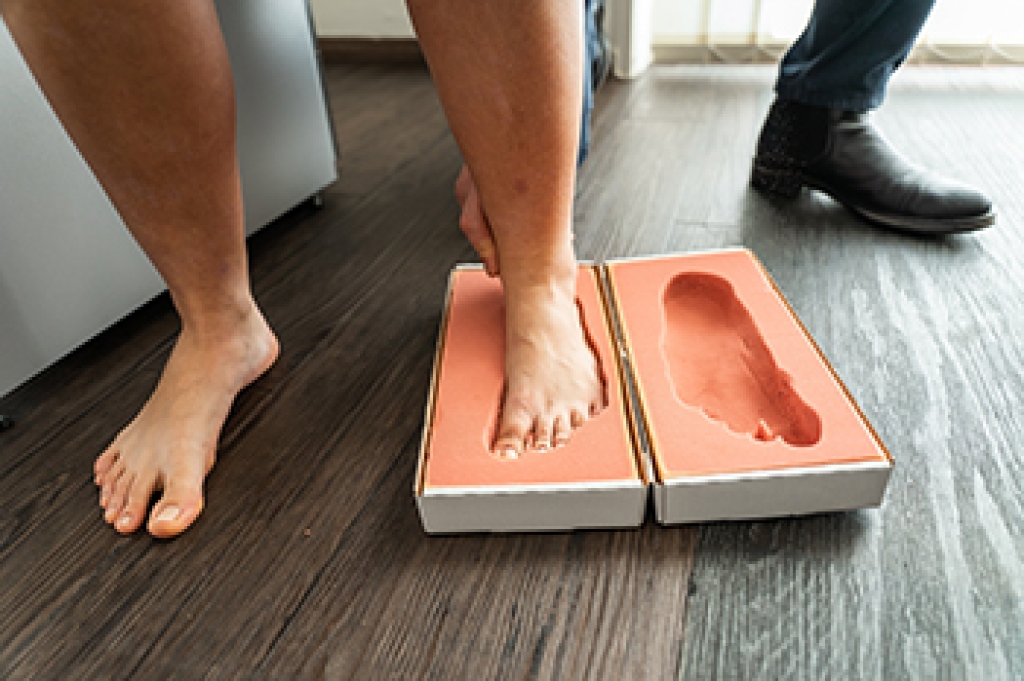
Types of orthotics include custom orthotics and prefabricated inserts. Custom orthotics are designed from measurements or scans of your feet and can address biomechanical needs specific to you. Prefabricated options provide general support and may work well for certain mild problems. A podiatrist begins by reviewing your symptoms and medical history. The feet are examined for alignment, pressure points, and range of motion. Your walking pattern may also be evaluated before an orthotic recommendation is made.


Treatment with orthotics usually begins with selecting the correct device for your foot structure and daily activities. Your podiatrist may recommend gradual wear so your feet can adjust comfortably. Follow-up visits can help assess comfort levels and determine whether adjustments are needed. Wearing proper footwear is also important because shoes should provide enough room and stability for the insert. Orthotics do not simply add cushioning, they can help manage pressure and support healthier movement. If you have persistent arch discomfort or need better foot support, it is suggested that you consult a podiatrist who can determine what type of orthotics are right for you.

If you are having discomfort in your feet and would like to try orthotics, contact Brian D. Jackson, DPM from Neuhaus Foot and Ankle. Our doctor can provide the care you need to keep you pain-free and on your feet.

What Are Orthotics?

Orthotics are inserts you can place into your shoes to help with a variety of foot problems such as flat feet or foot pain. Orthotics provide relief and comfort for minor foot and heel pain but can’t correct serious biomechanical problems in your feet.

Over-the-Counter Inserts

Orthotics come in a wide variety of over-the-counter inserts that are used to treat foot pain, heel pain, and minor problems. For example, arch supports can be inserted into your shoes to help correct overarched or flat feet, while gel insoles are often used because they provide comfort and relief from foot and heel pain by alleviating pressure.

Prescription Orthotics

If over-the-counter inserts don’t work for you or if you have a more severe foot concern, it is possible to have your podiatrist prescribe custom orthotics. These high-quality inserts are designed to treat problems such as abnormal motion, plantar fasciitis, and severe forms of heel pain. They can even be used to help patients suffering from diabetes by treating foot ulcers and painful calluses and are usually molded to your feet individually, which allows them to provide full support and comfort.

If you are experiencing minor to severe foot or heel pain, it’s recommended to speak with your podiatrist about the possibilities of using orthotics. A podiatrist can determine which type of orthotic is right for you and allow you to take the first steps towards being pain-free.

If you have any questions, please feel free to contact one of our offices located in Columbia and Pulaski, TN . We offer the newest diagnostic and treatment technologies for all your foot care needs.
Read more about Ankle Foot Orthotics for Athletes
Connect with us

our recent articles